
Category: Psychiatry & Medication
-

Many adults with ADHD aren’t missed because they’re doing poorly — they’re missed because they’re doing too well. High functioning often masks ADHD through over-compensation, anxiety, and burnout. Psychiatry must assess effort, not just outcomes, to diagnose ADHD accurately.
-
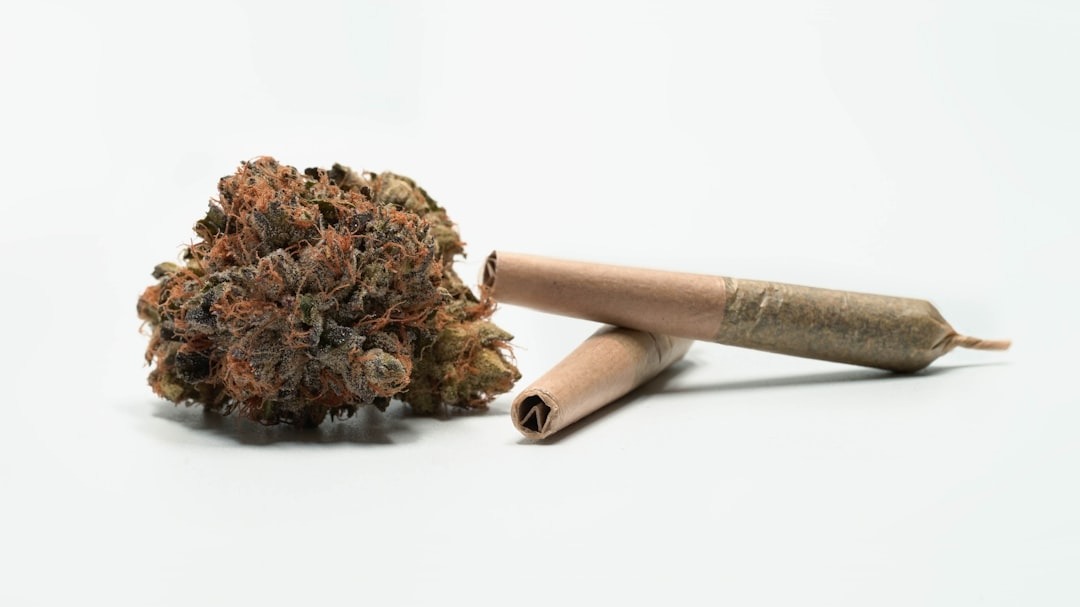
Marijuana withdrawal isn’t dangerous—but it is psychiatric. Many people experience anxiety, irritability, insomnia, and emotional instability when they stop using cannabis, especially after regular or high-THC use. These symptoms are real, temporary, and often misunderstood. This article explains what marijuana withdrawal actually feels like, why it happens, and how psychiatric support helps the nervous system…
-
Addiction assessment isn’t about interrogation — it’s about safety, trauma, mental health, and understanding what substances are doing for the patient.
-

Many people don’t use marijuana because they feel “high” — they use it because they feel stuck. Psychiatry sees a pattern called amotivational syndrome, where chronic cannabis use interferes with drive, initiative, and engagement in daily life. This isn’t laziness or lack of willpower — it reflects changes in how the brain processes reward and…
-
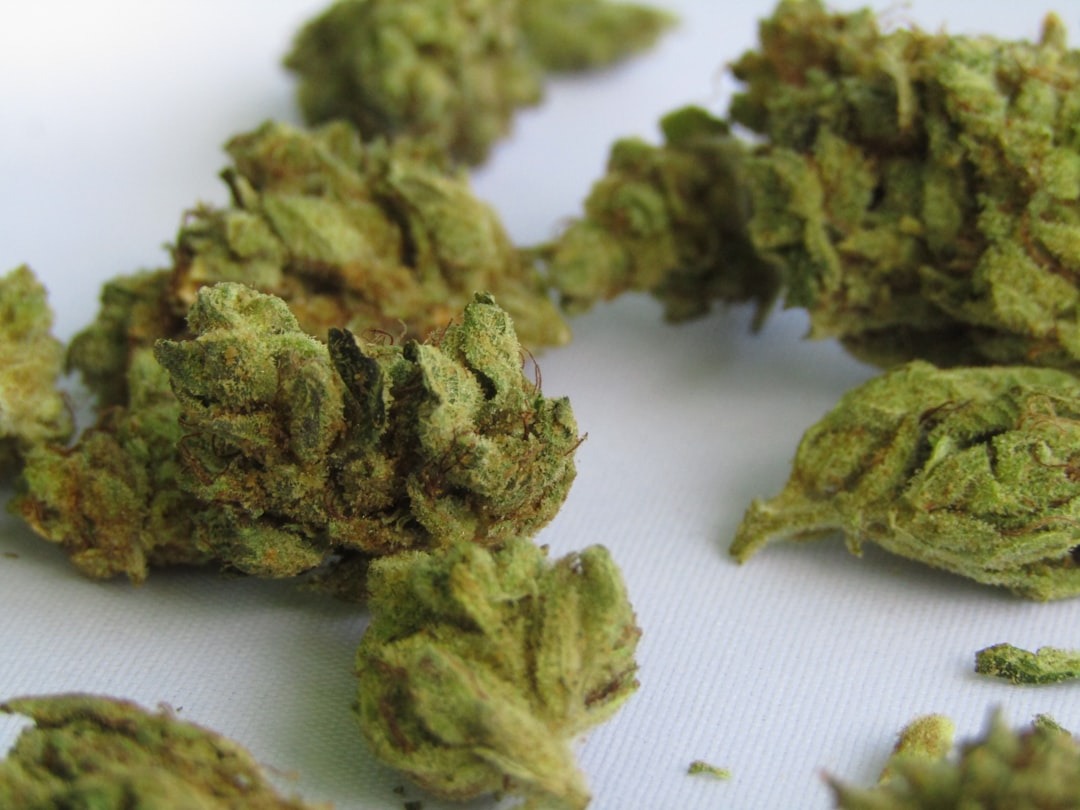
As cannabis becomes more potent and widely used, psychiatry is seeing an increase in psychosis-related concerns. High-THC cannabis can trigger paranoia, hallucinations, and psychotic symptoms—especially in people with certain vulnerabilities, including family history, trauma exposure, or developing brains. This article explains what psychiatry screens for before recommending cannabis use, who is most at risk, and…
-
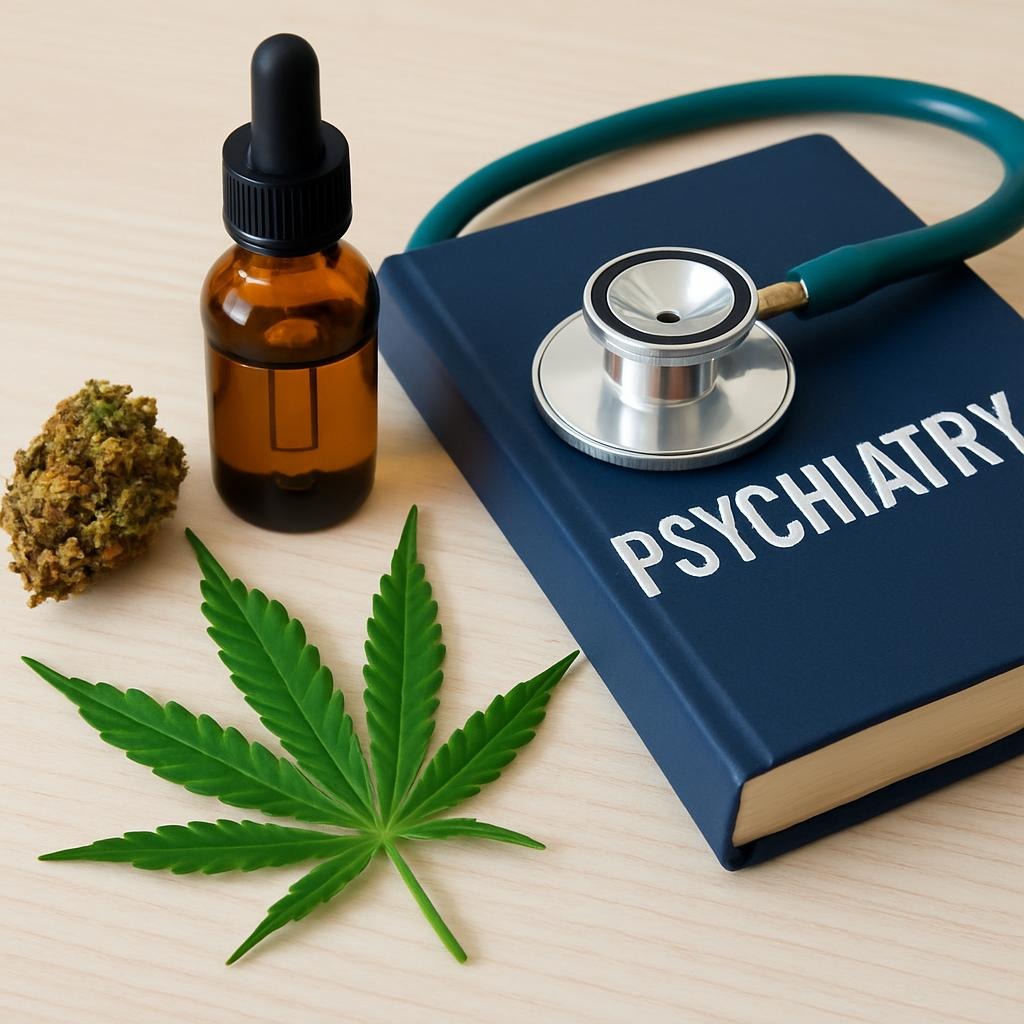
Marijuana today is far more potent than it was even a decade ago — and psychiatry is seeing the consequences. High-THC cannabis can overstimulate the brain’s stress and threat systems, triggering anxiety, panic attacks, racing heart, and feelings of losing control — especially in people with anxiety or trauma histories. This article explains why today’s…
-

ADHD isn’t a frontal lobe defect—it’s a whole-brain regulation disorder. When psychiatry reduces ADHD to “poor impulse control,” it misses dopamine dysregulation, emotional regulation, and functional impairment—especially in adults. This misunderstanding affects diagnosis, treatment, and patient outcomes.
-

Anxiety or withdrawal? Depression or substance-induced symptoms? PMHNPs are trained to differentiate overlapping conditions to prevent misdiagnosis, inappropriate medications, and relapse.
-

Medication-Assisted Treatment is more than prescribing Suboxone. PMHNPs play a critical role in stabilizing brain chemistry, treating co-occurring mental health conditions, addressing shame, and supporting long-term recovery through evidence-based psychiatric care.
-
Co-occurring mental health and substance use disorders are the rule—not the exception. Learn how PMHNPs identify and treat dual diagnosis conditions to improve addiction recovery outcomes and reduce relapse risk.