
Category: Medication-Assisted Treatment & Harm Reduction
-
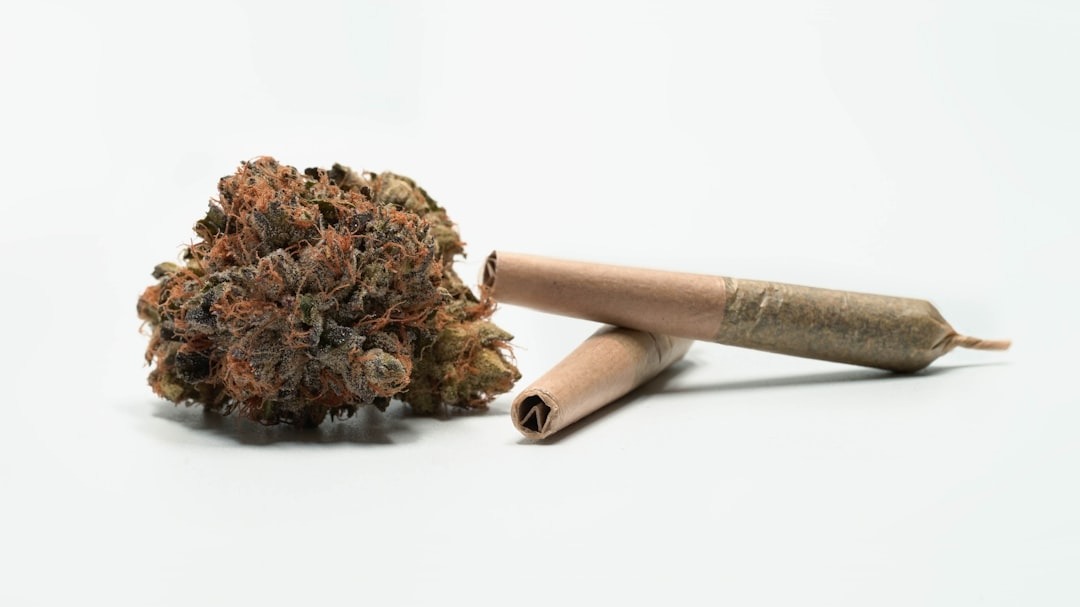
Marijuana withdrawal isn’t dangerous—but it is psychiatric. Many people experience anxiety, irritability, insomnia, and emotional instability when they stop using cannabis, especially after regular or high-THC use. These symptoms are real, temporary, and often misunderstood. This article explains what marijuana withdrawal actually feels like, why it happens, and how psychiatric support helps the nervous system…
-

Medication-Assisted Treatment is more than prescribing Suboxone. PMHNPs play a critical role in stabilizing brain chemistry, treating co-occurring mental health conditions, addressing shame, and supporting long-term recovery through evidence-based psychiatric care.
-
This article is part of Medication-Assisted Treatment & Harm Reduction Psychiatry, a series examining how PMHNPs use evidence-based medications and harm reduction principles to support long-term recovery. Many people feel anxious before their first PMHNP addiction appointment This article is part of The PMHNP Guide to Addiction Psychiatry, a clinical education series exploring how Psychiatric…
-
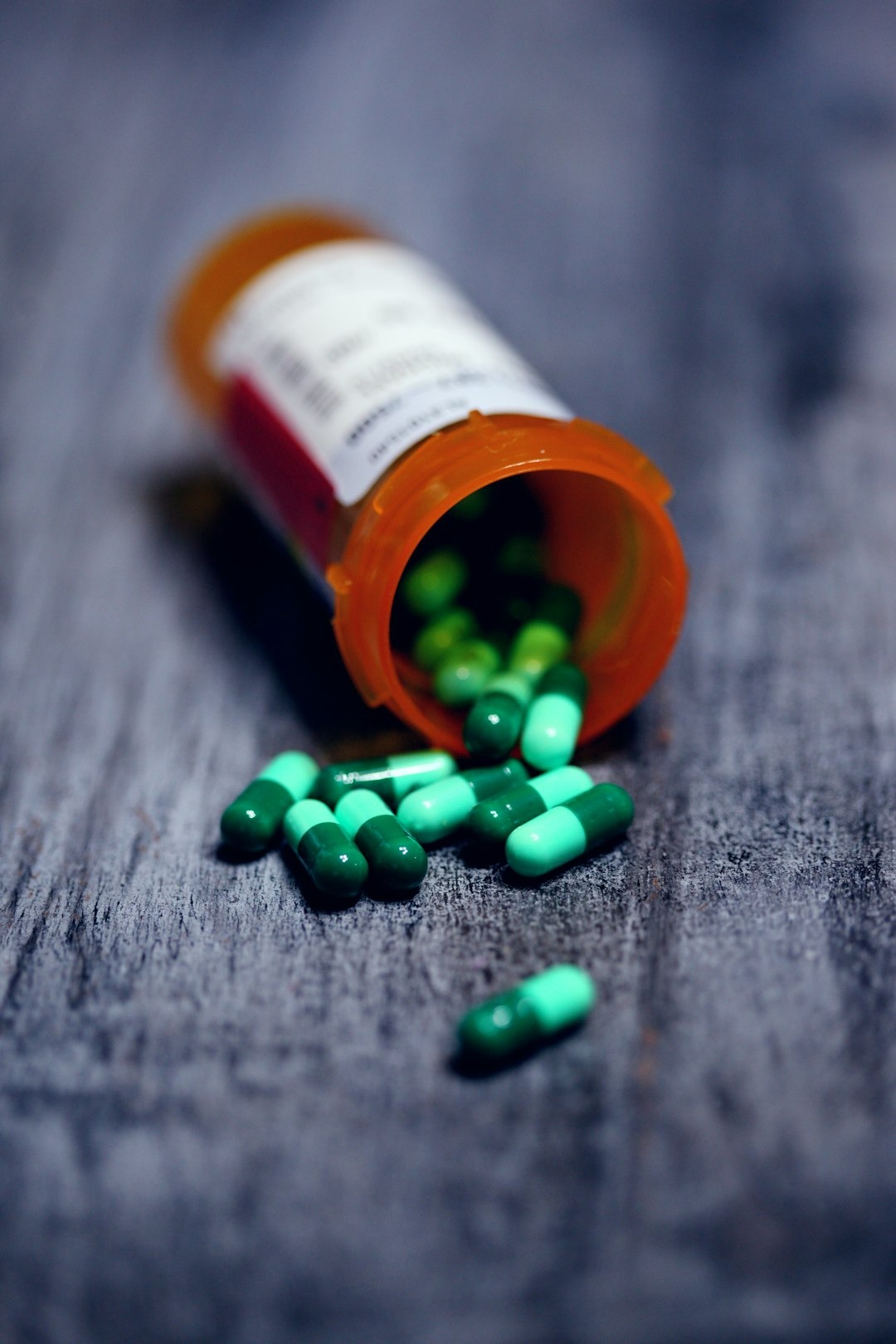
This article is part of Understanding Addiction: A Psychiatry-Informed Foundation & Medication-Assisted Treatment & Harm Reduction Psychiatry, a series that explains the neuroscience, psychology, and clinical realities behind substance use disorders. A PMHNP Perspective on Why Cravings Happen — and How We Treat Them Understanding Craving Neurobiology and Medication Options One of the most harmful…
-
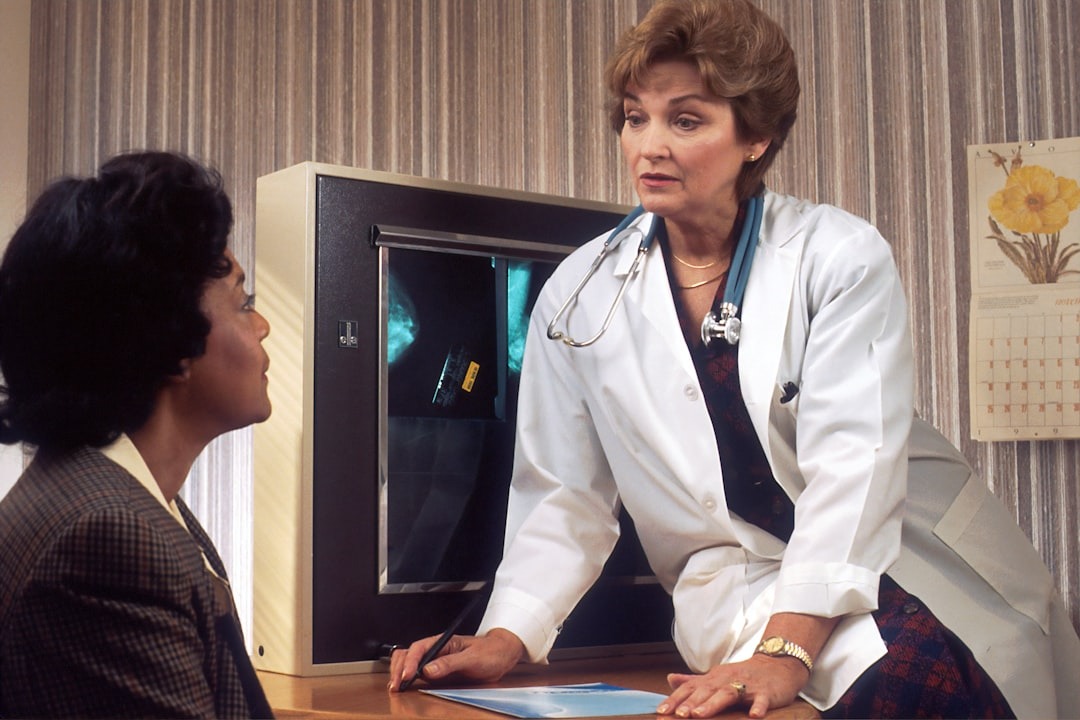
This article is part of Medication-Assisted Treatment & Harm Reduction Psychiatry, a series examining how PMHNPs use evidence-based medications and harm reduction principles to support long-term recovery. A PMHNP’s Role in Treating Addiction: What Comprehensive Care Actually Looks Like This article is part of The PMHNP Guide to Addiction Psychiatry, a clinical education series exploring…