
-

Many adults with ADHD aren’t missed because they’re doing poorly — they’re missed because they’re doing too well. High functioning often masks ADHD through over-compensation, anxiety, and burnout. Psychiatry must assess effort, not just outcomes, to diagnose ADHD accurately.
-
ADHD isn’t an impulsivity disorder — it’s an under-arousal disorder. Understanding ADHD through dopamine, attention, and novelty-seeking explains why so many adults struggle with addiction, compulsive behaviors, and shame despite high intelligence and effort. This psychiatric perspective changes how we diagnose, treat, and support recovery.
-

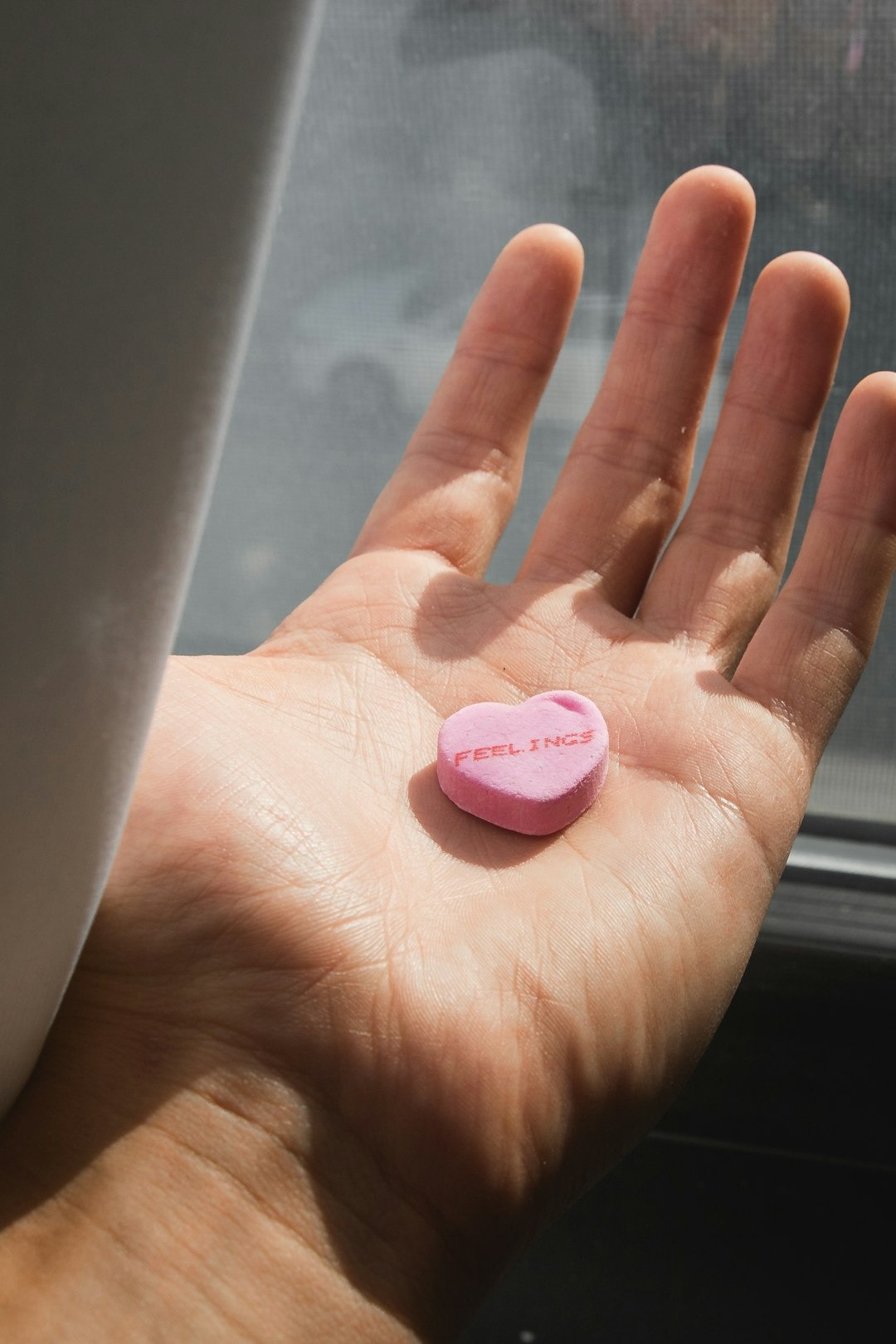
Anger, fear, sadness, and shame are often treated as problems to eliminate. From a psychiatric perspective, these emotions exist for a reason. Each one carries information meant to protect, guide, or heal us. This article explores the gifts of emotions — and why mental health improves when we stop fighting feelings and start understanding them.
-

Many people feel emotions in their body before they can name them. Chest tightness, stomach knots, tension, or numbness aren’t random — they’re nervous system responses. Psychiatry understands emotions as full-body experiences, not just thoughts. This article explains why emotions live in the body and how learning to listen to somatic signals supports regulation and…
-
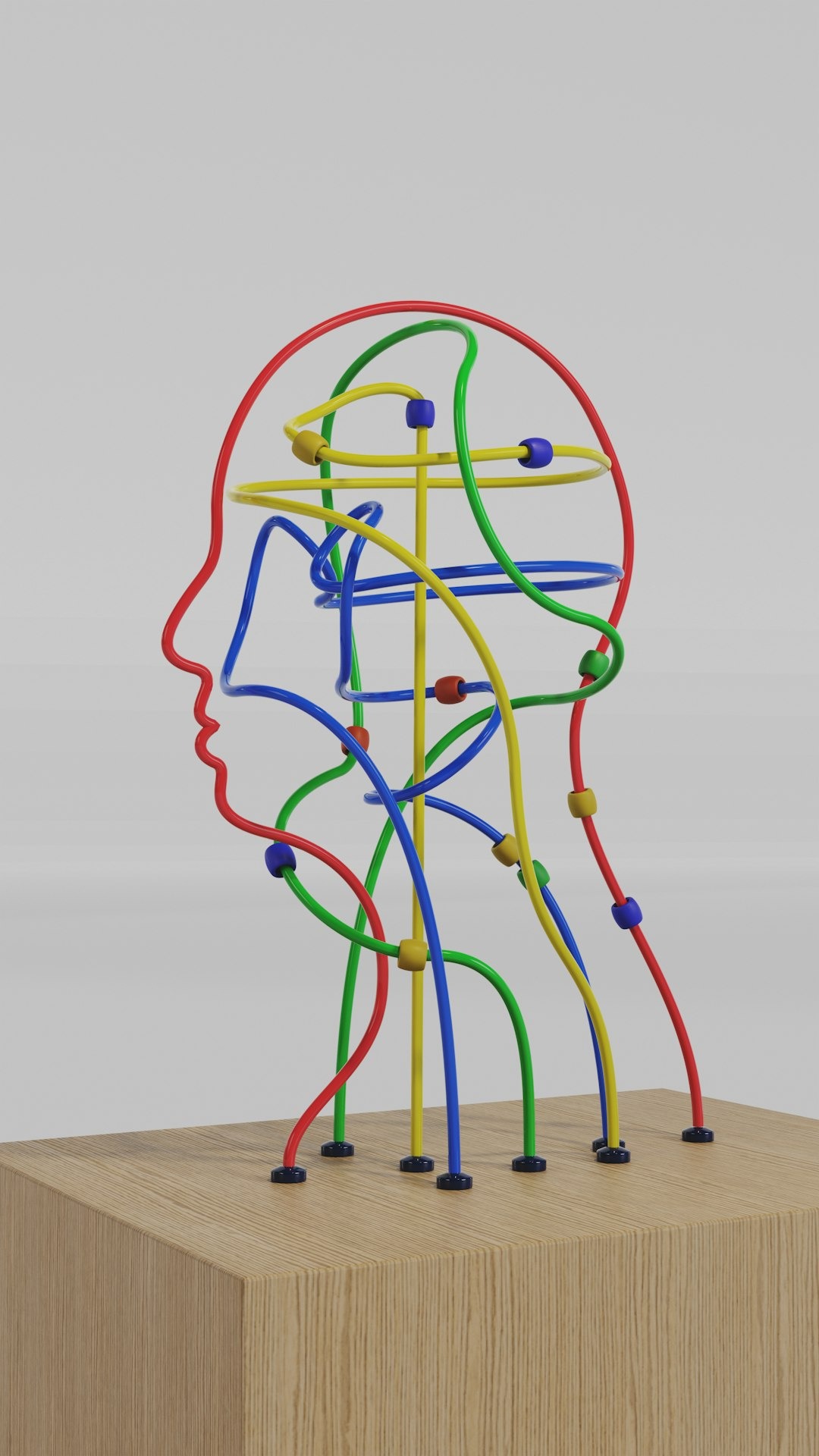
Adults with ADHD don’t seek novelty because they’re impulsive — they seek it because their brains are under-aroused. Understanding dopamine regulation explains why boredom feels unbearable, why stimulation can feel calming, and why ADHD overlaps with addiction and compulsive behaviors. This psychiatric perspective changes how we treat ADHD — and how much compassion we bring…
-
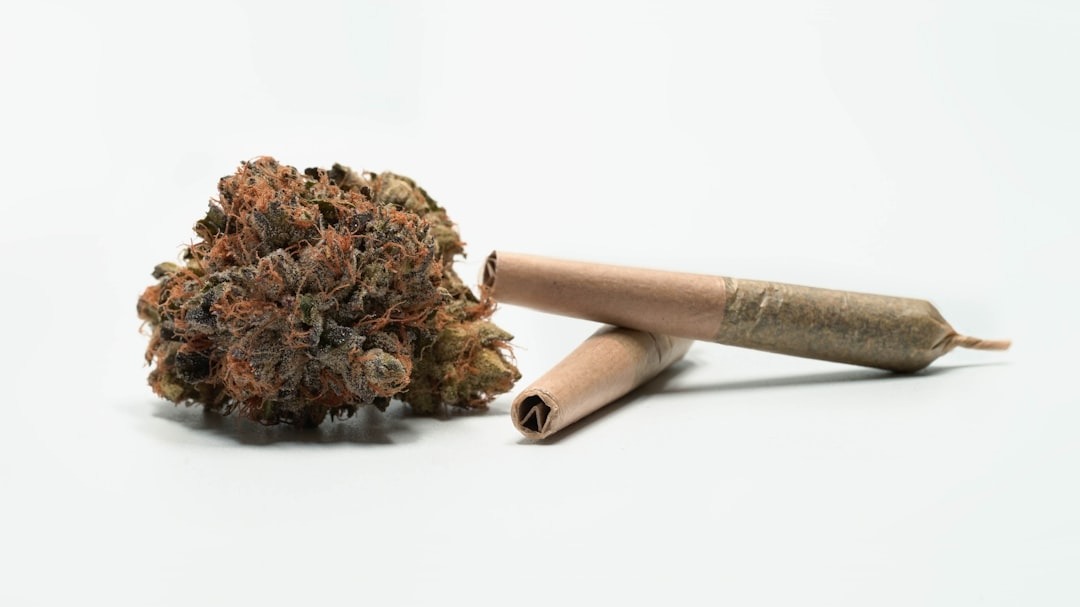
Marijuana withdrawal isn’t dangerous—but it is psychiatric. Many people experience anxiety, irritability, insomnia, and emotional instability when they stop using cannabis, especially after regular or high-THC use. These symptoms are real, temporary, and often misunderstood. This article explains what marijuana withdrawal actually feels like, why it happens, and how psychiatric support helps the nervous system…
-
Addiction assessment isn’t about interrogation — it’s about safety, trauma, mental health, and understanding what substances are doing for the patient.
-
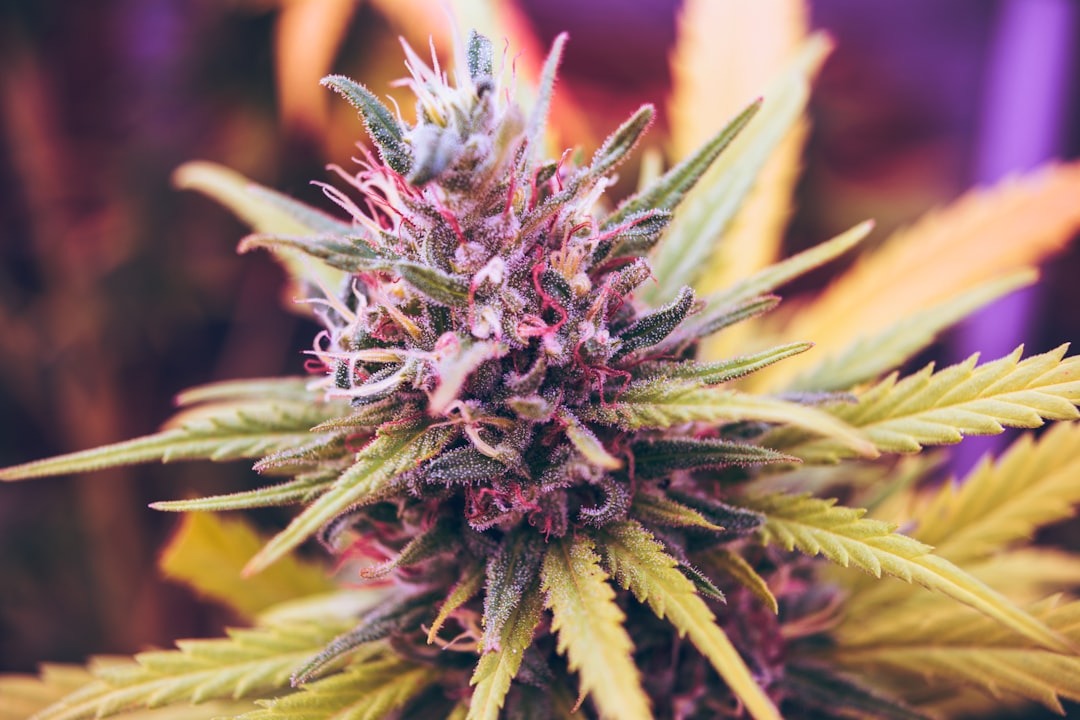
Many people don’t use marijuana because they feel “high” — they use it because they feel stuck. Psychiatry sees a pattern called amotivational syndrome, where chronic cannabis use interferes with drive, initiative, and engagement in daily life. This isn’t laziness or lack of willpower — it reflects changes in how the brain processes reward and…
-

Many people were taught to avoid emotions — not understand them. Psychiatry recognizes emotions as temporary waves in the nervous system. When we interrupt them through avoidance or suppression, distress often increases. When we allow them to rise and fall, regulation improves. This article explains why riding the wave of emotion builds resilience, safety, and…
-
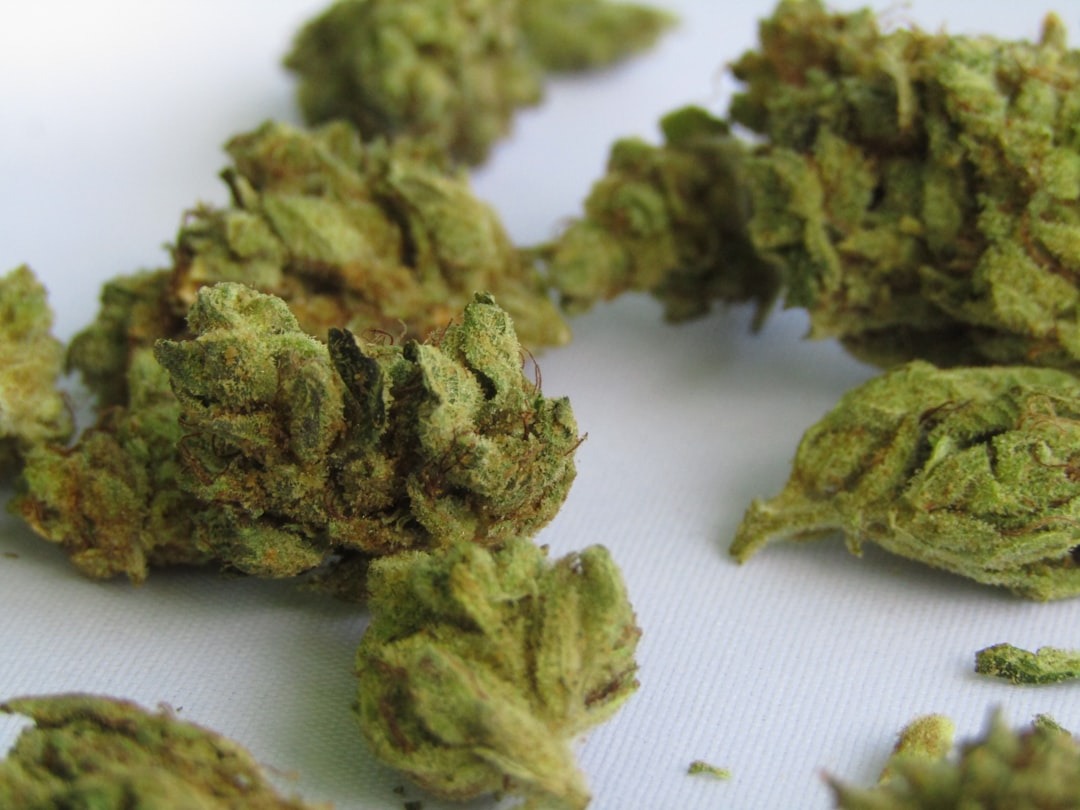
As cannabis becomes more potent and widely used, psychiatry is seeing an increase in psychosis-related concerns. High-THC cannabis can trigger paranoia, hallucinations, and psychotic symptoms—especially in people with certain vulnerabilities, including family history, trauma exposure, or developing brains. This article explains what psychiatry screens for before recommending cannabis use, who is most at risk, and…