
Category: Cannabis & Mental Health
-
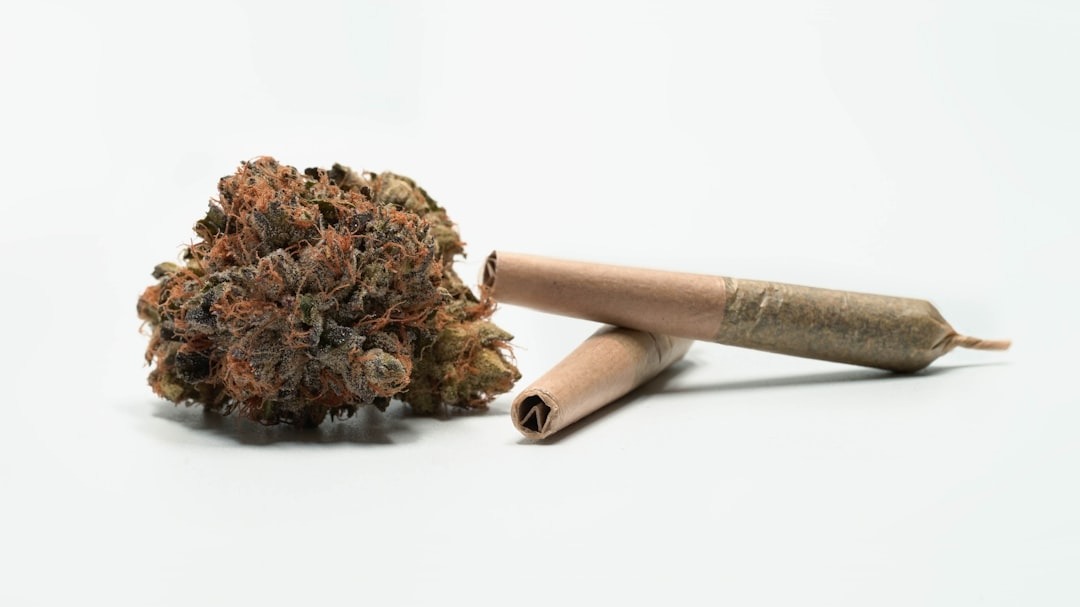
Marijuana withdrawal isn’t dangerous—but it is psychiatric. Many people experience anxiety, irritability, insomnia, and emotional instability when they stop using cannabis, especially after regular or high-THC use. These symptoms are real, temporary, and often misunderstood. This article explains what marijuana withdrawal actually feels like, why it happens, and how psychiatric support helps the nervous system…
-
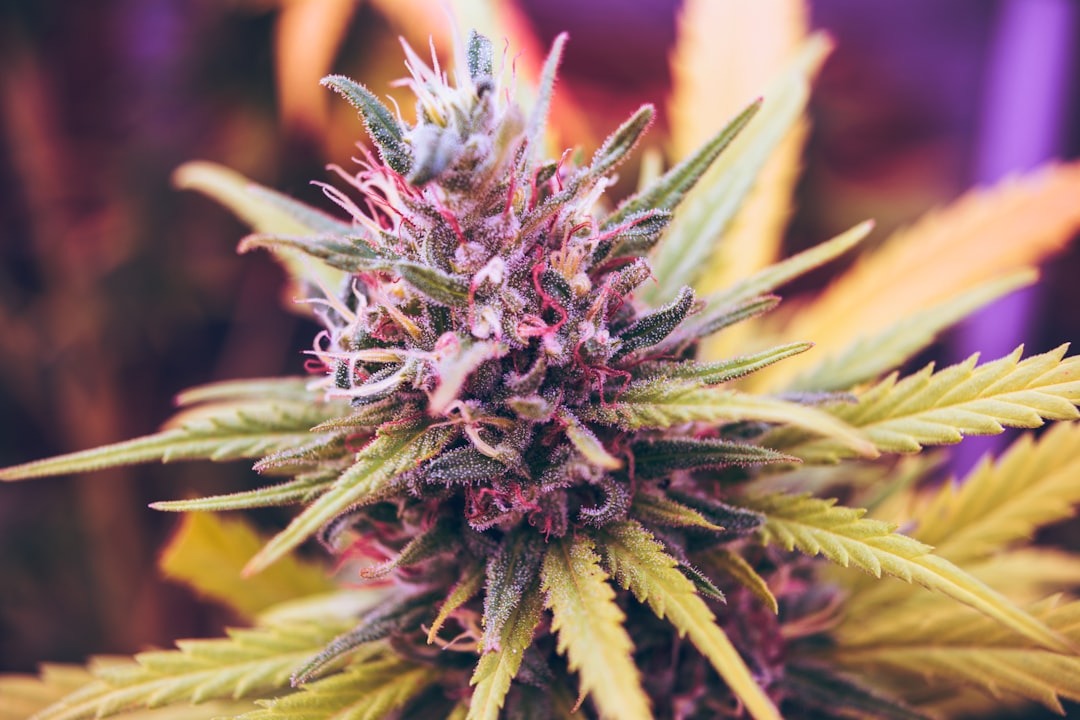
Many people don’t use marijuana because they feel “high” — they use it because they feel stuck. Psychiatry sees a pattern called amotivational syndrome, where chronic cannabis use interferes with drive, initiative, and engagement in daily life. This isn’t laziness or lack of willpower — it reflects changes in how the brain processes reward and…
-
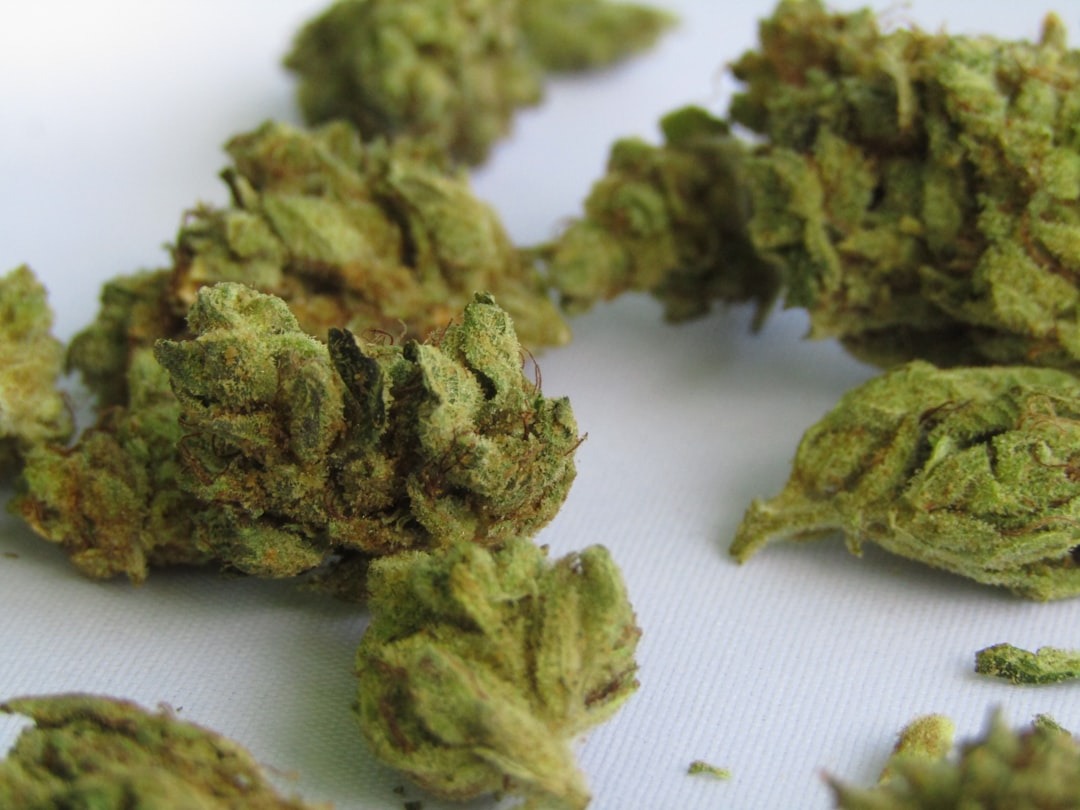
As cannabis becomes more potent and widely used, psychiatry is seeing an increase in psychosis-related concerns. High-THC cannabis can trigger paranoia, hallucinations, and psychotic symptoms—especially in people with certain vulnerabilities, including family history, trauma exposure, or developing brains. This article explains what psychiatry screens for before recommending cannabis use, who is most at risk, and…
-
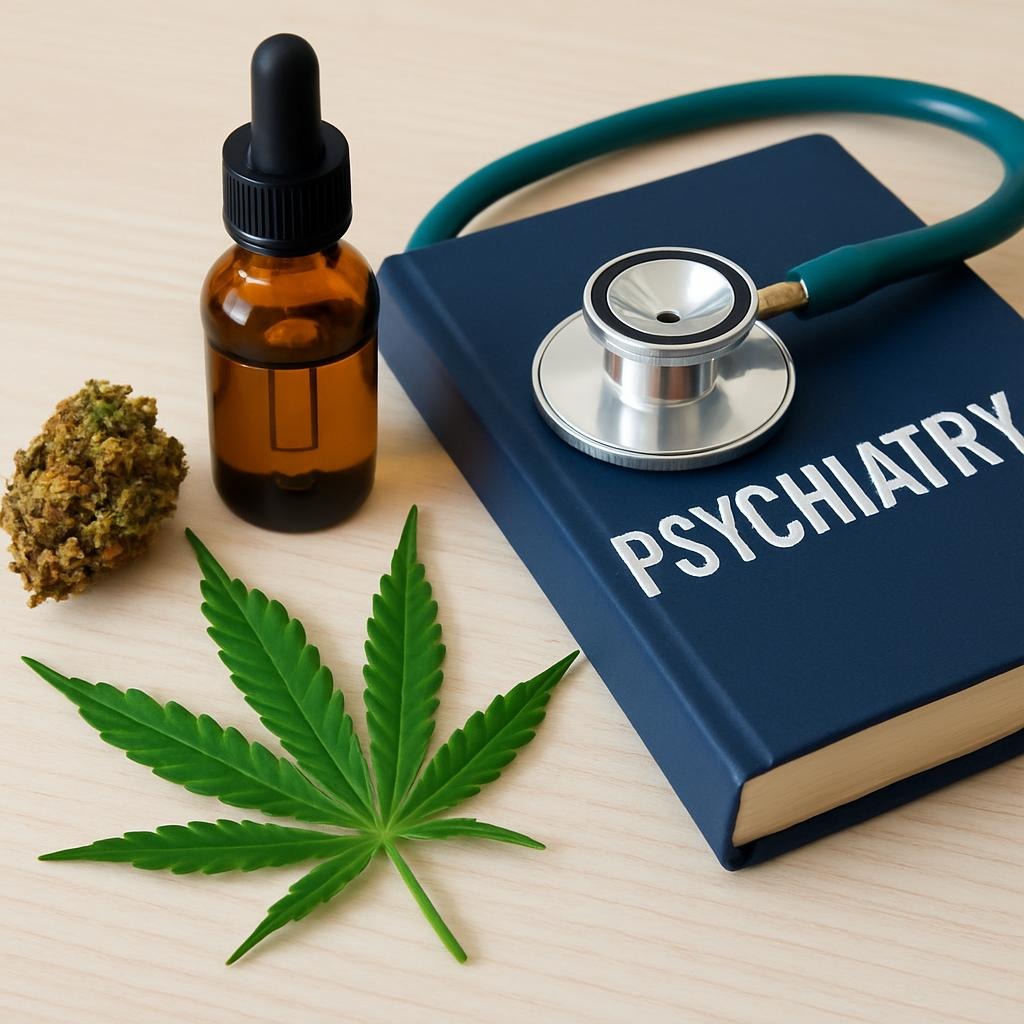
Marijuana today is far more potent than it was even a decade ago — and psychiatry is seeing the consequences. High-THC cannabis can overstimulate the brain’s stress and threat systems, triggering anxiety, panic attacks, racing heart, and feelings of losing control — especially in people with anxiety or trauma histories. This article explains why today’s…
-
Marijuana is often viewed as harmless — especially when compared to other substances. But psychiatry tells a more nuanced story. Cannabis affects the brain systems responsible for mood, anxiety, motivation, and perception. For some people, it may temporarily reduce distress. For others, it can worsen anxiety, contribute to panic, interfere with motivation, or increase vulnerability…