
Category: Mental Health Education
-

Many adults with ADHD aren’t missed because they’re doing poorly — they’re missed because they’re doing too well. High functioning often masks ADHD through over-compensation, anxiety, and burnout. Psychiatry must assess effort, not just outcomes, to diagnose ADHD accurately.
-
ADHD isn’t an impulsivity disorder — it’s an under-arousal disorder. Understanding ADHD through dopamine, attention, and novelty-seeking explains why so many adults struggle with addiction, compulsive behaviors, and shame despite high intelligence and effort. This psychiatric perspective changes how we diagnose, treat, and support recovery.
-
Adults with ADHD don’t seek novelty because they’re impulsive — they seek it because their brains are under-aroused. Understanding dopamine regulation explains why boredom feels unbearable, why stimulation can feel calming, and why ADHD overlaps with addiction and compulsive behaviors. This psychiatric perspective changes how we treat ADHD — and how much compassion we bring…
-

Marijuana withdrawal isn’t dangerous—but it is psychiatric. Many people experience anxiety, irritability, insomnia, and emotional instability when they stop using cannabis, especially after regular or high-THC use. These symptoms are real, temporary, and often misunderstood. This article explains what marijuana withdrawal actually feels like, why it happens, and how psychiatric support helps the nervous system…
-
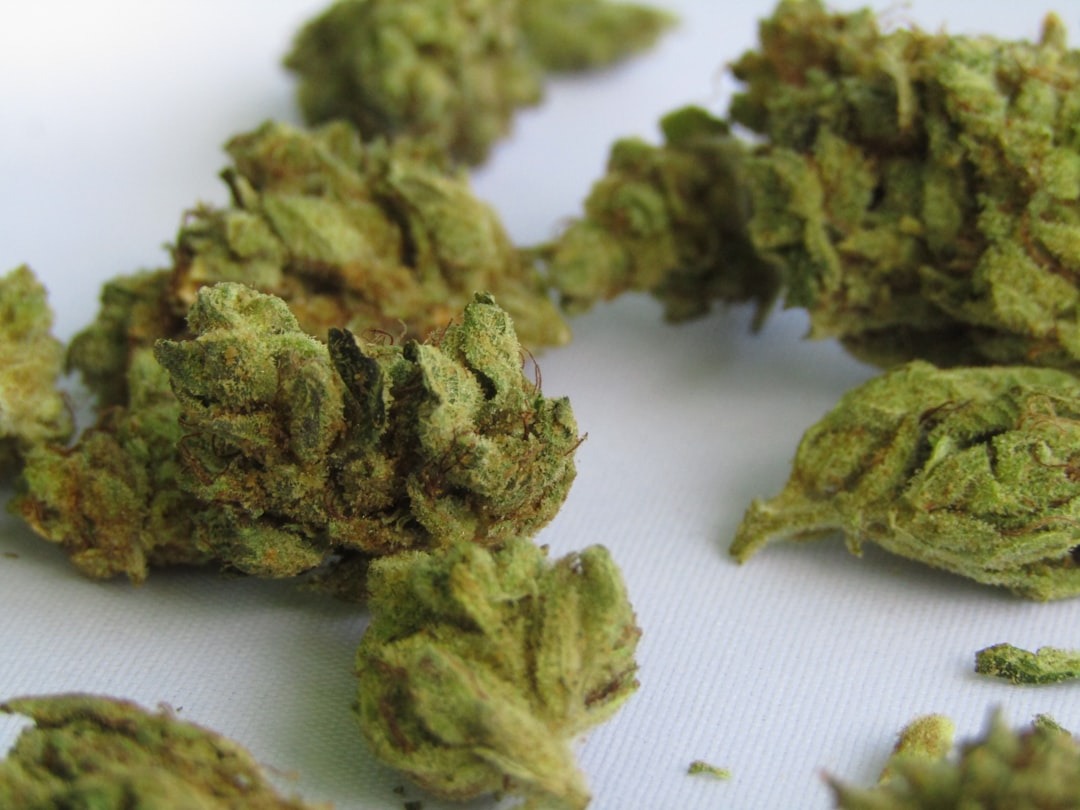
As cannabis becomes more potent and widely used, psychiatry is seeing an increase in psychosis-related concerns. High-THC cannabis can trigger paranoia, hallucinations, and psychotic symptoms—especially in people with certain vulnerabilities, including family history, trauma exposure, or developing brains. This article explains what psychiatry screens for before recommending cannabis use, who is most at risk, and…
-

ADHD isn’t a frontal lobe defect—it’s a whole-brain regulation disorder. When psychiatry reduces ADHD to “poor impulse control,” it misses dopamine dysregulation, emotional regulation, and functional impairment—especially in adults. This misunderstanding affects diagnosis, treatment, and patient outcomes.
-
Co-occurring mental health and substance use disorders are the rule—not the exception. Learn how PMHNPs identify and treat dual diagnosis conditions to improve addiction recovery outcomes and reduce relapse risk.
-

ADHD isn’t a personality flaw — it’s a functional impairment. Many adults with ADHD expend enormous effort just to meet basic expectations, yet internalize shame when outcomes fall short. Psychiatry understands ADHD as a brain-based condition, not a character defect — and that distinction changes everything.
-

This article is part of Understanding Addiction: A Psychiatry-Informed Foundation, a series that explains the neuroscience, psychology, and clinical realities behind substance use disorders. For decades, addiction was misunderstood as a problem of willpower, morality, or “bad choices.” Those beliefs caused enormous harm — increasing shame, stigma, and silence, while delaying care for millions of…
-

This article is part of Understanding Addiction: A Psychiatry-Informed Foundation, a series that explains the neuroscience, psychology, and clinical realities behind substance use disorders. One of the biggest misunderstandings in the addiction world is the belief that drug use and addiction are the same thing. They’re not — not even close. People often assume that…