
Category: Co-Occurring Disorders & Dual Diagnosis
-
Addiction assessment isn’t about interrogation — it’s about safety, trauma, mental health, and understanding what substances are doing for the patient.
-
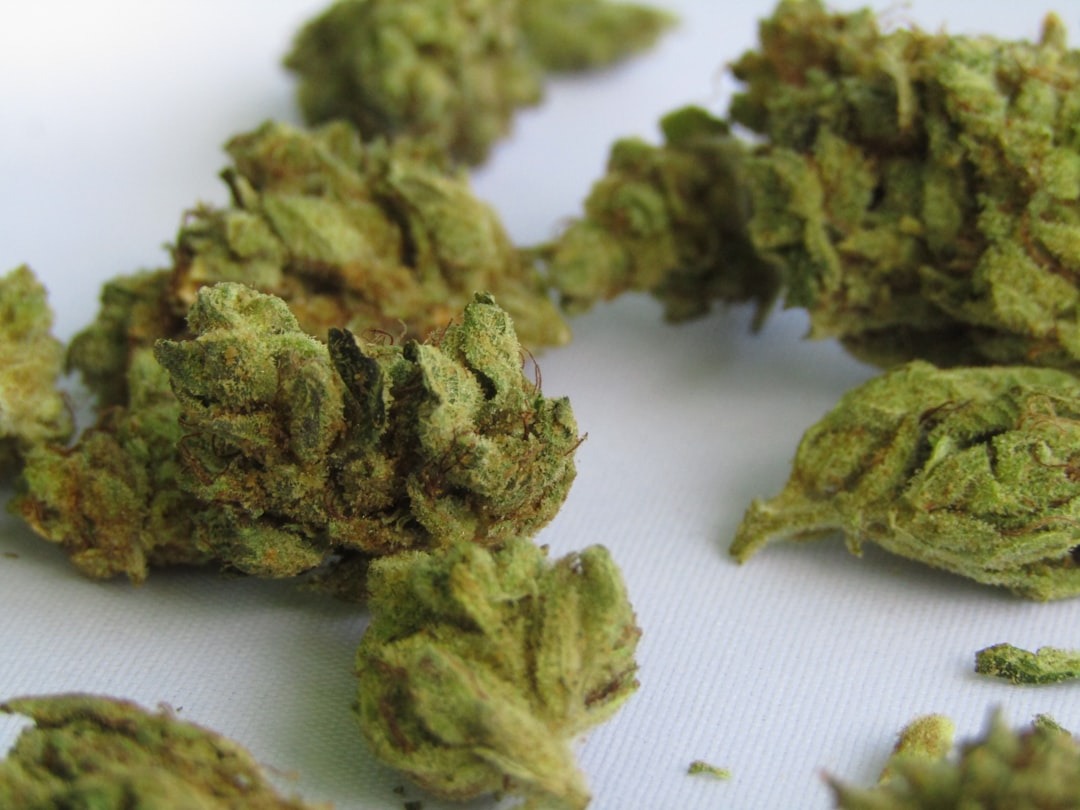
As cannabis becomes more potent and widely used, psychiatry is seeing an increase in psychosis-related concerns. High-THC cannabis can trigger paranoia, hallucinations, and psychotic symptoms—especially in people with certain vulnerabilities, including family history, trauma exposure, or developing brains. This article explains what psychiatry screens for before recommending cannabis use, who is most at risk, and…
-
Marijuana today is far more potent than it was even a decade ago — and psychiatry is seeing the consequences. High-THC cannabis can overstimulate the brain’s stress and threat systems, triggering anxiety, panic attacks, racing heart, and feelings of losing control — especially in people with anxiety or trauma histories. This article explains why today’s…
-

Anxiety or withdrawal? Depression or substance-induced symptoms? PMHNPs are trained to differentiate overlapping conditions to prevent misdiagnosis, inappropriate medications, and relapse.
-
Co-occurring mental health and substance use disorders are the rule—not the exception. Learn how PMHNPs identify and treat dual diagnosis conditions to improve addiction recovery outcomes and reduce relapse risk.