Category: Addiction Psychiatry
-
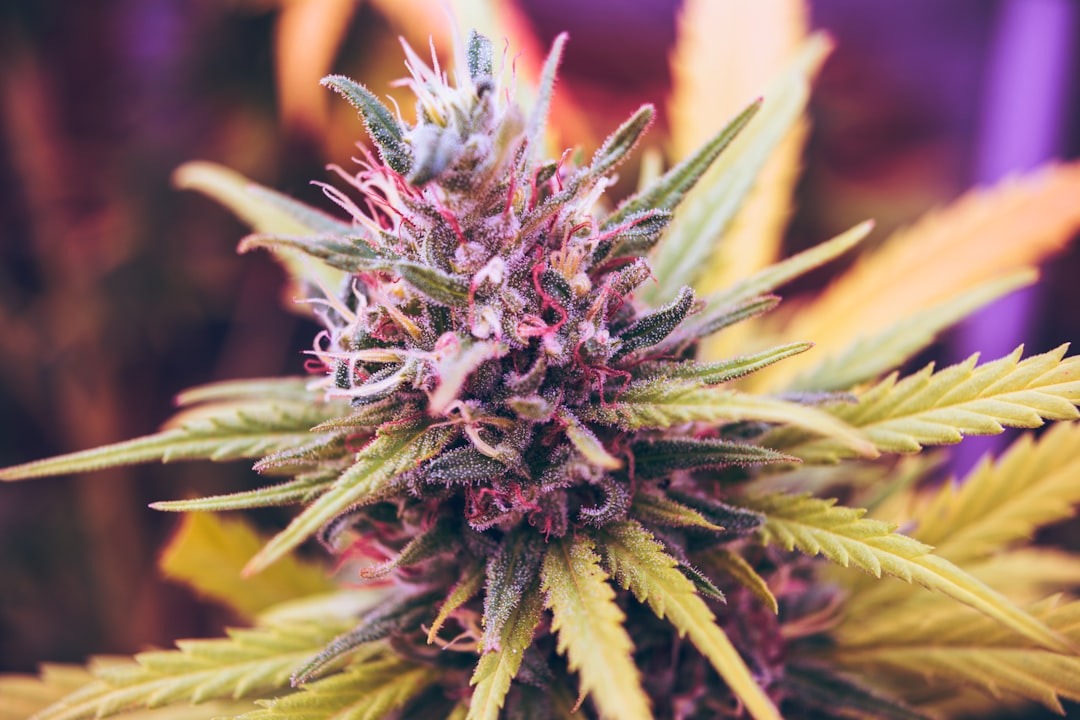
Cannabis is often framed as either harmless or dangerous—but psychiatry lives in the middle ground. Modern cannabis use is not the same as it was decades ago. Today’s high-THC products interact with brain chemistry, trauma history, genetics, and mental health vulnerability in complex ways. From a psychiatric perspective, cannabis can relieve symptoms for some individuals…
-
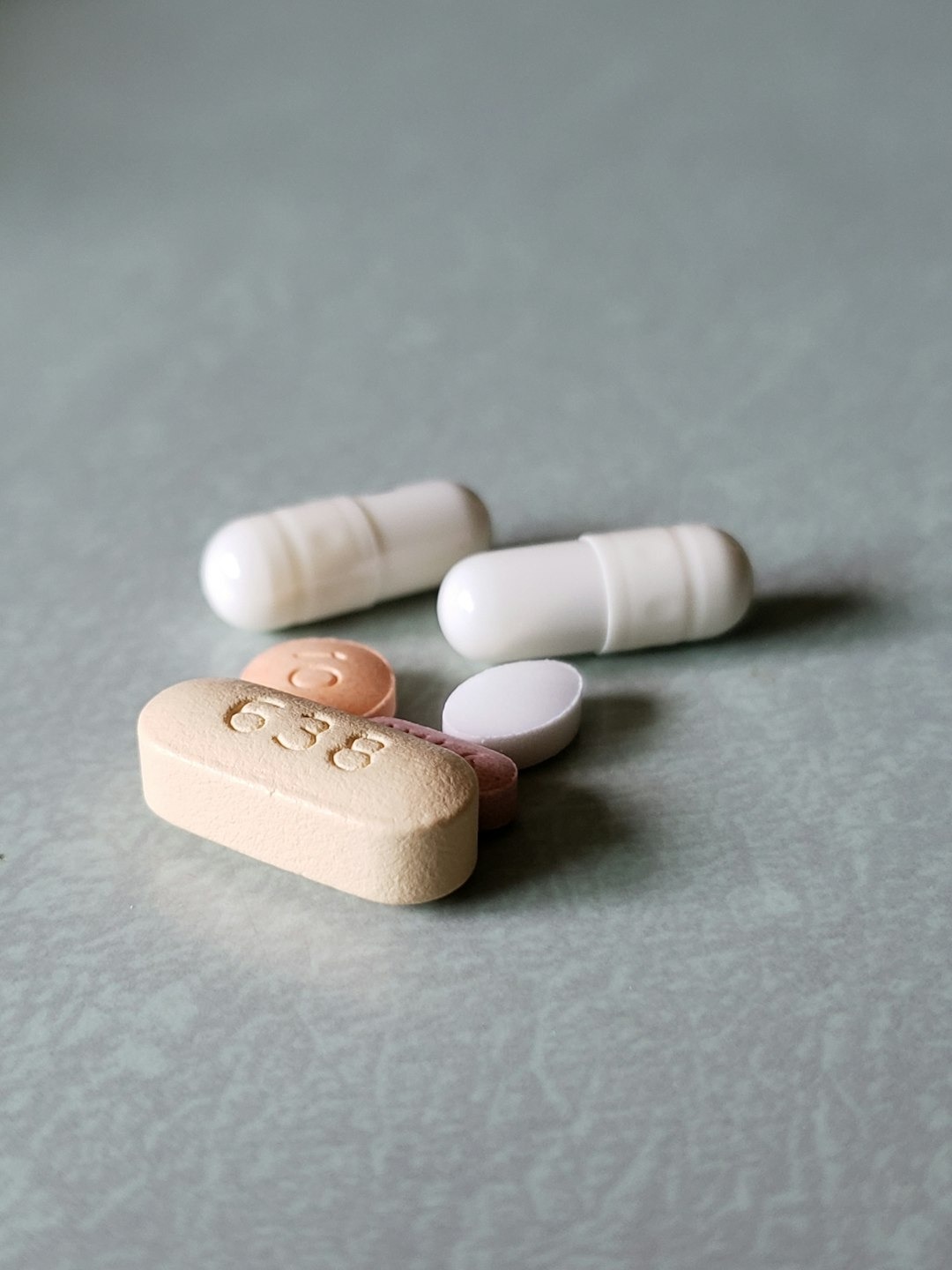
Medication-Assisted Treatment (MAT) is a core component of modern addiction psychiatry—not a substitute for recovery. MAT uses evidence-based medications to stabilize brain chemistry, reduce cravings, prevent overdose, and support emotional regulation while individuals engage in therapy, recovery work, and life rebuilding. Harm reduction psychiatry recognizes that people recover at different paces and that reducing risk,…
-
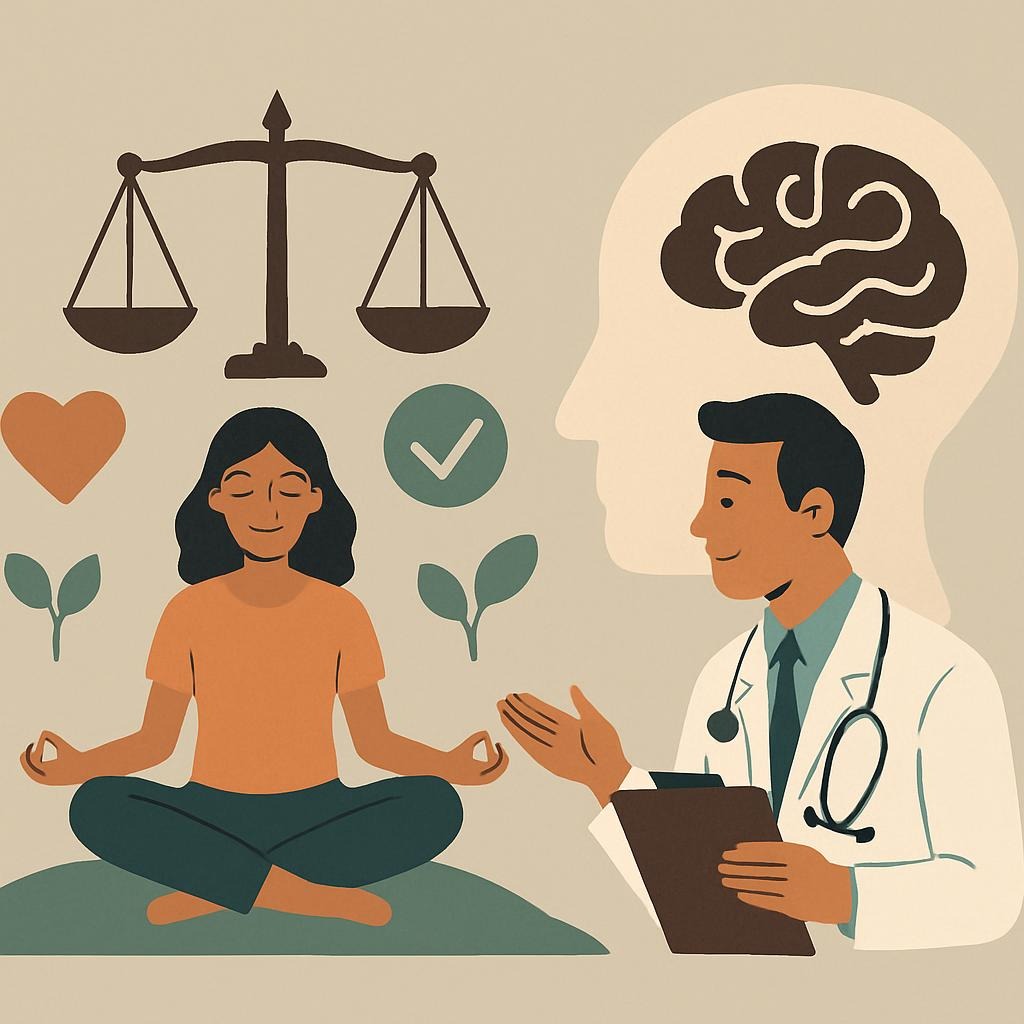
Co-occurring disorders—also called dual diagnosis—refer to the presence of both a substance use disorder and a mental health condition. In psychiatric care, these conditions are not treated separately. Anxiety, depression, trauma, ADHD, bipolar disorder, and substance use frequently interact, reinforce one another, and complicate recovery when not addressed together. This hub brings together educational articles…
-

Many people believe their emotions are the problem. From a psychiatric perspective, that belief causes more harm than the emotions themselves. Feelings are not signs of weakness or pathology — they are nervous system responses shaped by biology, experience, and safety. This article explains why there is nothing wrong with your emotions, how shame worsens…
-

Marijuana is often viewed as harmless — especially when compared to other substances. But psychiatry tells a more nuanced story. Cannabis affects the brain systems responsible for mood, anxiety, motivation, and perception. For some people, it may temporarily reduce distress. For others, it can worsen anxiety, contribute to panic, interfere with motivation, or increase vulnerability…
-

This article is part of Understanding Addiction: A Psychiatry-Informed Foundation, a series that explains the neuroscience, psychology, and clinical realities behind substance use disorders. For decades, addiction was misunderstood as a problem of willpower, morality, or “bad choices.” Those beliefs caused enormous harm — increasing shame, stigma, and silence, while delaying care for millions of…
-
This article is part of Understanding Addiction: A Psychiatry-Informed Foundation, a series that explains the neuroscience, psychology, and clinical realities behind substance use disorders. One of the biggest misunderstandings in the addiction world is the belief that drug use and addiction are the same thing. They’re not — not even close. People often assume that…
-
This article is part of Medication-Assisted Treatment & Harm Reduction Psychiatry, a series examining how PMHNPs use evidence-based medications and harm reduction principles to support long-term recovery. Many people feel anxious before their first PMHNP addiction appointment This article is part of The PMHNP Guide to Addiction Psychiatry, a clinical education series exploring how Psychiatric…
-
This article is part of Understanding Addiction: A Psychiatry-Informed Foundation & Medication-Assisted Treatment & Harm Reduction Psychiatry, a series that explains the neuroscience, psychology, and clinical realities behind substance use disorders. A PMHNP Perspective on Why Cravings Happen — and How We Treat Them Understanding Craving Neurobiology and Medication Options One of the most harmful…
-

This article is part of Understanding Addiction: A Psychiatry-Informed Foundation, a series that explains the neuroscience, psychology, and clinical realities behind substance use disorders. For generations, people believed addiction was a sign of weakness, a lack of self-control, or a moral failure. Today, science tells a very different—and much more compassionate—story. According to the National…