
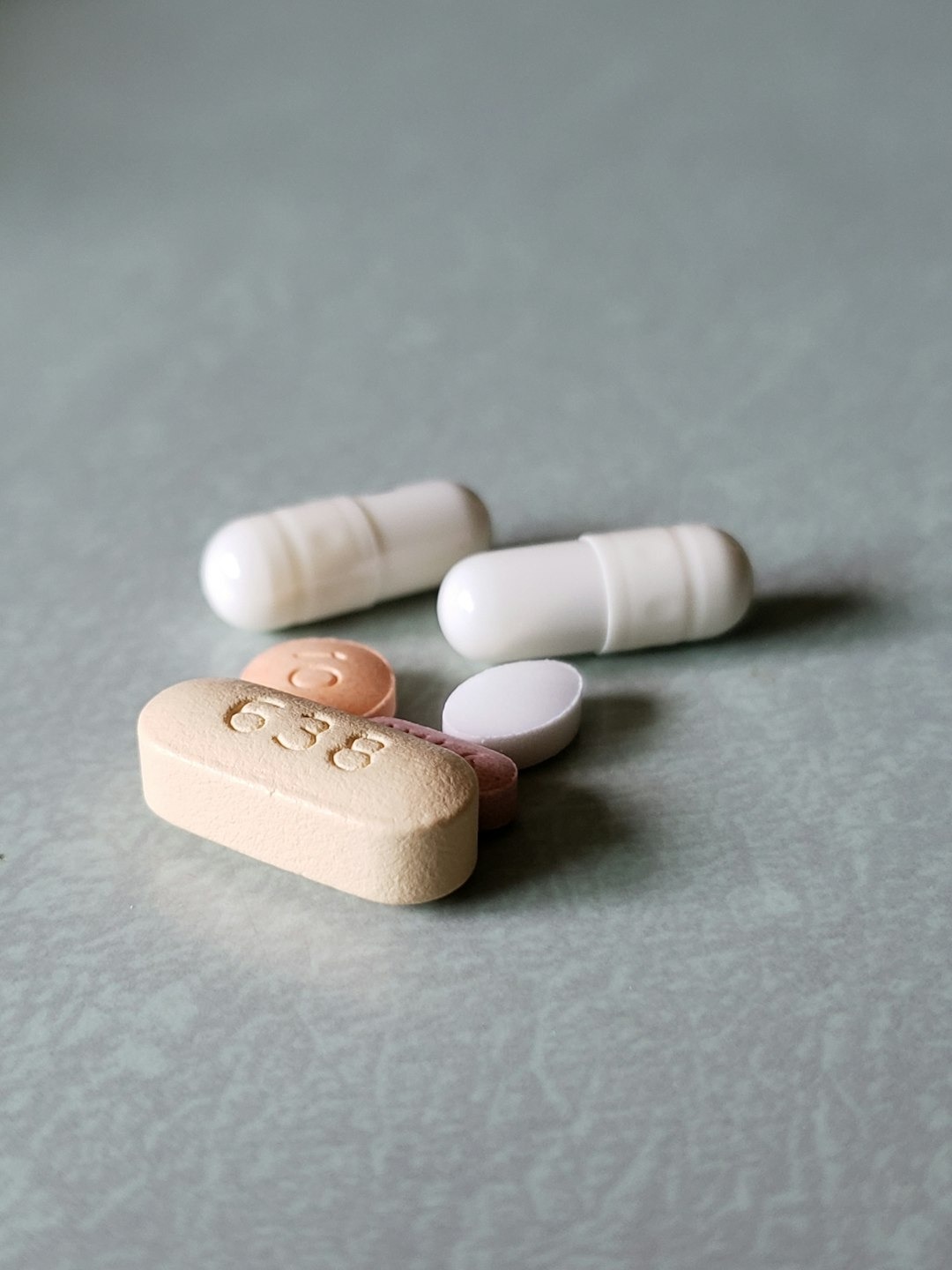
Medication-Assisted Treatment (MAT) is a core component of modern addiction psychiatry—not a substitute for recovery.
MAT uses evidence-based medications to stabilize brain chemistry, reduce cravings, prevent overdose, and support emotional regulation while individuals engage in therapy, recovery work, and life rebuilding.
Harm reduction psychiatry recognizes that people recover at different paces and that reducing risk, increasing safety, and preserving dignity saves lives. These approaches are not oppositional to recovery—they are foundational to it.
This hub brings together psychiatric education written from a Psychiatric Mental Health Nurse Practitioner (PMHNP) perspective, exploring how medications and harm reduction principles are used safely, ethically, and effectively in addiction care.
The content here is educational and reflects psychiatric practice at Arizona Mental Wellness. It does not replace individualized medical evaluation.
-
 Addiction Psychiatry, Cannabis & Mental Health, Cravings & Neurobiology, Medication-Assisted Treatment & Harm Reduction, Myths vs Facts, Nervous System & Emotional Regulation, Psychiatry & Medication, Withdrawal Management
Marijuana Withdrawal Isn’t Dangerous—But It Is Psychiatric: What Patients Experience When They Stop
Marijuana withdrawal isn’t dangerous—but it is psychiatric. Many people experience anxiety, irritability, insomnia, and emotional instability when they stop using cannabis, especially after regular or high-THC use. These symptoms are real, temporary, and often misunderstood. This article explains what marijuana withdrawal actually feels…
-
 Addiction & Recovery, Addiction Psychiatry, Medication-Assisted Treatment & Harm Reduction, PMHNP Role, The PMHNP Guide to Addiction Psychiatry
A PMHNP’s Role in Medication-Assisted Treatment (MAT): More Than Prescribing Suboxone
Medication-Assisted Treatment is more than prescribing Suboxone. PMHNPs play a critical role in stabilizing brain chemistry, treating co-occurring mental health conditions, addressing shame, and supporting long-term recovery through evidence-based psychiatric care.
-
 Addiction & Recovery, Addiction Psychiatry, MAT, Medication-Assisted Treatment & Harm Reduction, PMHNP Role, Psychiatry & Medication, The PMHNP Guide to Addiction Psychiatry, Withdrawal Management
Inside a PMHNP Addiction Appointment: What Patients Actually Experience
This article is part of Medication-Assisted Treatment & Harm Reduction Psychiatry, a series examining how PMHNPs use evidence-based medications and harm reduction principles to support long-term recovery. Many people feel anxious before their first PMHNP addiction appointment This article is part of The…
-
 Addiction & Recovery, Addiction Psychiatry, Medication-Assisted Treatment & Harm Reduction, Understanding Addiction
Understanding Craving Neurobiology & Medication Options
This article is part of Understanding Addiction: A Psychiatry-Informed Foundation & Medication-Assisted Treatment & Harm Reduction Psychiatry, a series that explains the neuroscience, psychology, and clinical realities behind substance use disorders. A PMHNP Perspective on Why Cravings Happen — and How We Treat…
-
 Addiction & Recovery, Addiction Psychiatry, Dual Diagnosis, Medication-Assisted Treatment & Harm Reduction, PMHNP Role, Psychiatry & Medication, The PMHNP Guide to Addiction Psychiatry
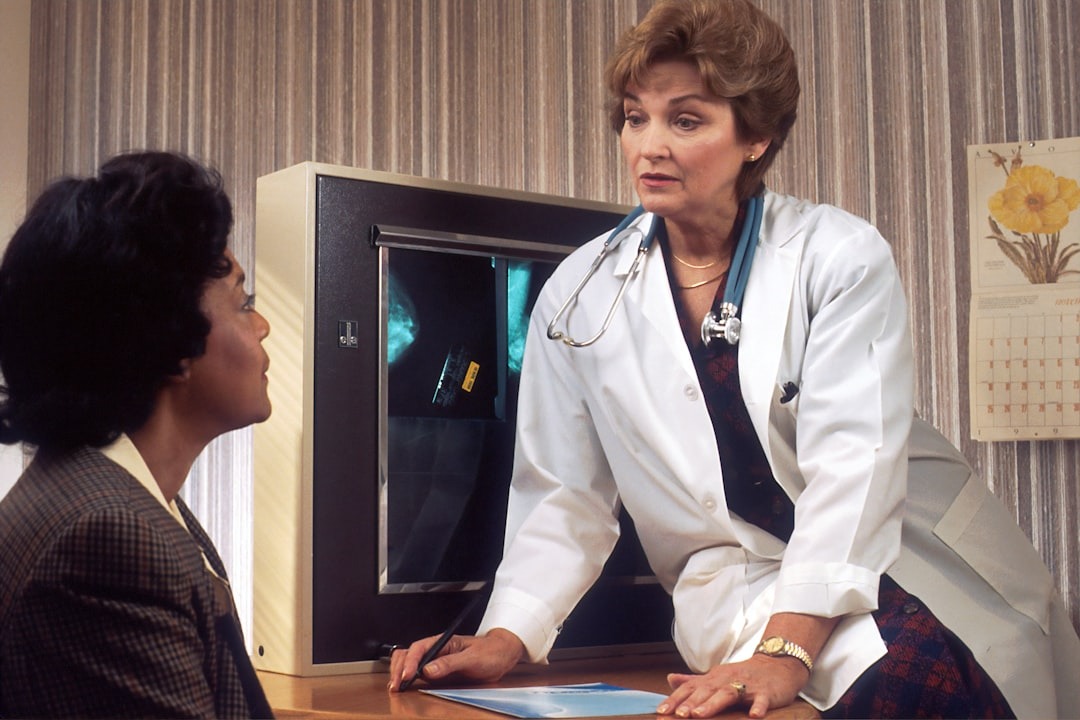
A PMHNP’s Role in Treating Addiction
This article is part of Medication-Assisted Treatment & Harm Reduction Psychiatry, a series examining how PMHNPs use evidence-based medications and harm reduction principles to support long-term recovery. A PMHNP’s Role in Treating Addiction: What Comprehensive Care Actually Looks Like This article is part…

When MAT May Be Clinically Appropriate
Medication-assisted treatment may be appropriate when substance use is driven by cravings, neurobiological instability, repeated relapse, or co-occurring mental health conditions. Psychiatric evaluation ensures medications are used safely and in alignment with recovery goals.
👉 Explore Psychiatry Services
👉 Schedule an Appointment