
Category: PMHNP Role
-

ADHD isn’t a frontal lobe defect—it’s a whole-brain regulation disorder. When psychiatry reduces ADHD to “poor impulse control,” it misses dopamine dysregulation, emotional regulation, and functional impairment—especially in adults. This misunderstanding affects diagnosis, treatment, and patient outcomes.
-

Anxiety or withdrawal? Depression or substance-induced symptoms? PMHNPs are trained to differentiate overlapping conditions to prevent misdiagnosis, inappropriate medications, and relapse.
-

Medication-Assisted Treatment is more than prescribing Suboxone. PMHNPs play a critical role in stabilizing brain chemistry, treating co-occurring mental health conditions, addressing shame, and supporting long-term recovery through evidence-based psychiatric care.
-
Co-occurring mental health and substance use disorders are the rule—not the exception. Learn how PMHNPs identify and treat dual diagnosis conditions to improve addiction recovery outcomes and reduce relapse risk.
-

ADHD isn’t a personality flaw — it’s a functional impairment. Many adults with ADHD expend enormous effort just to meet basic expectations, yet internalize shame when outcomes fall short. Psychiatry understands ADHD as a brain-based condition, not a character defect — and that distinction changes everything.
-
This article is part of Medication-Assisted Treatment & Harm Reduction Psychiatry, a series examining how PMHNPs use evidence-based medications and harm reduction principles to support long-term recovery. Many people feel anxious before their first PMHNP addiction appointment This article is part of The PMHNP Guide to Addiction Psychiatry, a clinical education series exploring how Psychiatric…
-
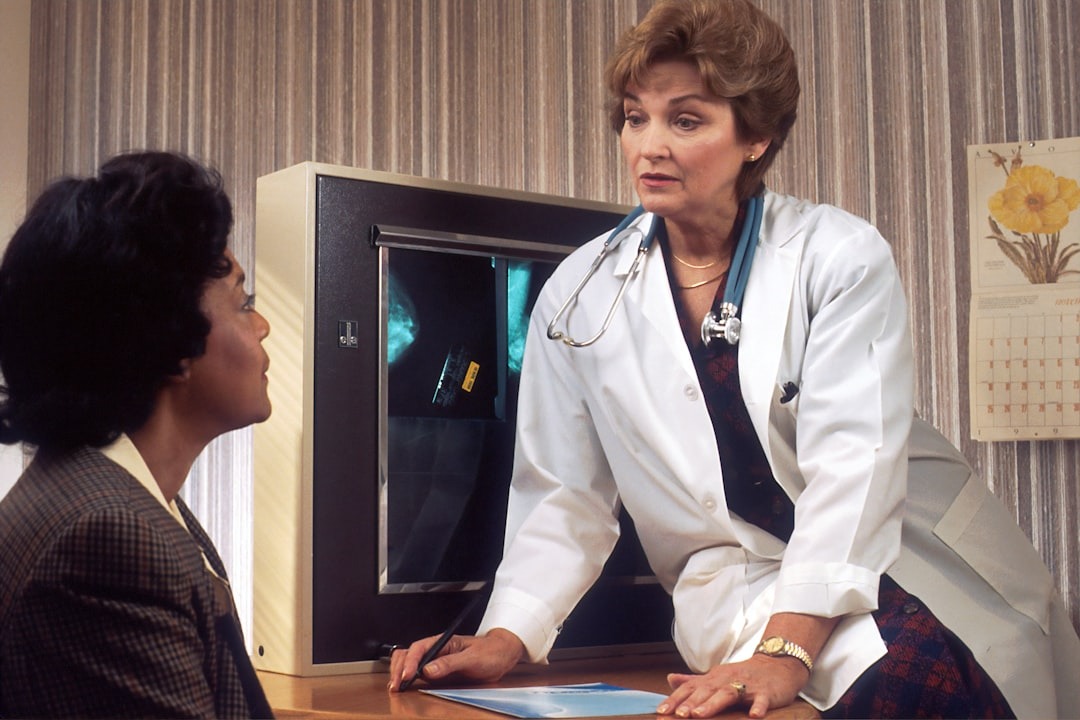
This article is part of Medication-Assisted Treatment & Harm Reduction Psychiatry, a series examining how PMHNPs use evidence-based medications and harm reduction principles to support long-term recovery. A PMHNP’s Role in Treating Addiction: What Comprehensive Care Actually Looks Like This article is part of The PMHNP Guide to Addiction Psychiatry, a clinical education series exploring…
-

This article is part of The PMHNP Guide to Addiction Psychiatry, a clinical education series exploring how Psychiatric Mental Health Nurse Practitioners assess, diagnose, and treat substance use disorders using evidence-based, trauma-informed care. In recent years, the role of Psychiatric Mental Health Nurse Practitioners (PMHNPs) has gained significant attention as mental health care becomes a…
-

When you’re struggling with your mental health, it can be confusing to know where to start. Should you see a psychiatrist, a PMHNP, or a therapist? Do you need medication, talk therapy, or a combination of both? The truth is: both psychiatry and therapy play important, complementary roles in mental health care. But depending on…
-

Breaking the stigma around mental health care starts with honest conversations. For too long, seeking psychiatric support has been framed as a failure instead of what it actually is: a responsible, courageous step toward health. Stigma keeps people silent. Silence delays care. And delayed care often means unnecessary suffering. In this article, we explore how…