
Category: Mental Health Education
-

As cannabis becomes more potent and widely used, psychiatry is seeing an increase in psychosis-related concerns. High-THC cannabis can trigger paranoia, hallucinations, and psychotic symptoms—especially in people with certain vulnerabilities, including family history, trauma exposure, or developing brains. This article explains what psychiatry screens for before recommending cannabis use, who is most at risk, and…
-

ADHD isn’t a frontal lobe defect—it’s a whole-brain regulation disorder. When psychiatry reduces ADHD to “poor impulse control,” it misses dopamine dysregulation, emotional regulation, and functional impairment—especially in adults. This misunderstanding affects diagnosis, treatment, and patient outcomes.
-
Co-occurring mental health and substance use disorders are the rule—not the exception. Learn how PMHNPs identify and treat dual diagnosis conditions to improve addiction recovery outcomes and reduce relapse risk.
-

ADHD isn’t a personality flaw — it’s a functional impairment. Many adults with ADHD expend enormous effort just to meet basic expectations, yet internalize shame when outcomes fall short. Psychiatry understands ADHD as a brain-based condition, not a character defect — and that distinction changes everything.
-

This article is part of Understanding Addiction: A Psychiatry-Informed Foundation, a series that explains the neuroscience, psychology, and clinical realities behind substance use disorders. For decades, addiction was misunderstood as a problem of willpower, morality, or “bad choices.” Those beliefs caused enormous harm — increasing shame, stigma, and silence, while delaying care for millions of…
-

This article is part of Understanding Addiction: A Psychiatry-Informed Foundation, a series that explains the neuroscience, psychology, and clinical realities behind substance use disorders. One of the biggest misunderstandings in the addiction world is the belief that drug use and addiction are the same thing. They’re not — not even close. People often assume that…
-

This article is part of Understanding Addiction: A Psychiatry-Informed Foundation, a series that explains the neuroscience, psychology, and clinical realities behind substance use disorders. For generations, people believed addiction was a sign of weakness, a lack of self-control, or a moral failure. Today, science tells a very different—and much more compassionate—story. According to the National…
-

When you’re struggling with your mental health, it can be confusing to know where to start. Should you see a psychiatrist, a PMHNP, or a therapist? Do you need medication, talk therapy, or a combination of both? The truth is: both psychiatry and therapy play important, complementary roles in mental health care. But depending on…
-
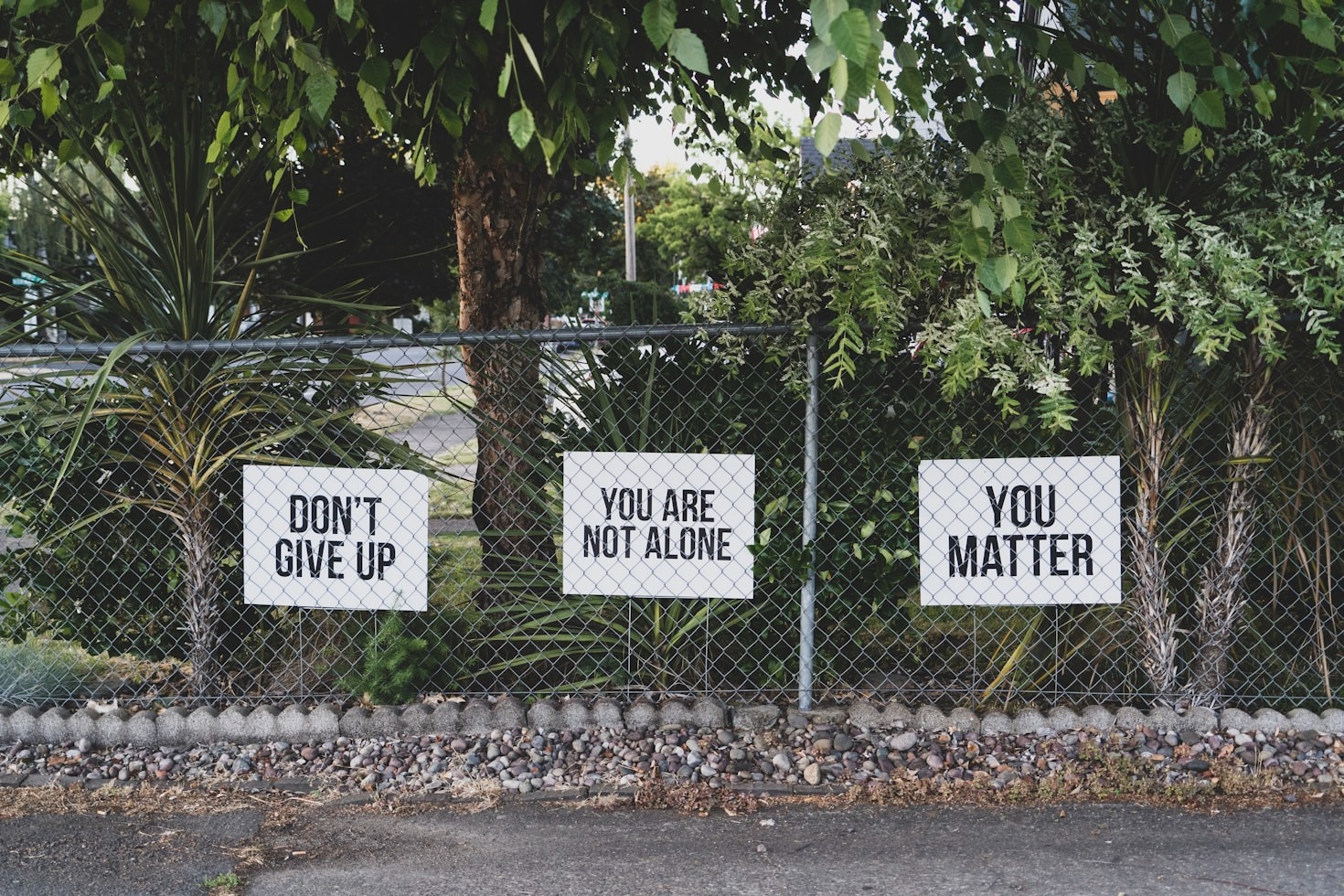
Breaking the stigma around mental health care starts with honest conversations. For too long, seeking psychiatric support has been framed as a failure instead of what it actually is: a responsible, courageous step toward health. Stigma keeps people silent. Silence delays care. And delayed care often means unnecessary suffering. In this article, we explore how…