

Addiction is not a standalone diagnosis—it is a psychiatric condition shaped by neurobiology, trauma, mental health, and lived experience.
Psychiatric Mental Health Nurse Practitioners (PMHNPs) are uniquely trained to assess substance use disorders through a biopsychosocial lens that integrates mental health, medical safety, trauma history, and functional impact.
This guide brings together psychiatry-informed education written from a PMHNP clinical perspective. It explains how PMHNPs evaluate addiction, differentiate substance-induced symptoms from mental health disorders, identify co-occurring conditions, and build treatment plans that prioritize safety, dignity, and long-term recovery.
The articles in this series are designed for patients, families, clinicians, and referral partners who want to understand how addiction psychiatry works—beyond myths, moral framing, or one-size-fits-all treatment models.
This intro does three things at once:
Signals trauma-informed care
Establishes authority
Sets scope
-
Addiction & Recovery, Addiction Psychiatry, Co-Occurring Disorders & Dual Diagnosis, PMHNP Role, The PMHNP Guide to Addiction Psychiatry
What a PMHNP Looks for When Assessing a Patient With Possible Addiction
Addiction assessment isn’t about interrogation — it’s about safety, trauma, mental health, and understanding what…
-
 Addiction & Recovery, Addiction Psychiatry, Co-Occurring Disorders & Dual Diagnosis, PMHNP Role, The PMHNP Guide to Addiction Psychiatry
How PMHNPs Differentiate Between Addiction and Mental Health Disorders With Overlapping Symptoms
Anxiety or withdrawal? Depression or substance-induced symptoms? PMHNPs are trained to differentiate overlapping conditions to…
-
 Addiction & Recovery, Addiction Psychiatry, Medication-Assisted Treatment & Harm Reduction, PMHNP Role, The PMHNP Guide to Addiction Psychiatry
A PMHNP’s Role in Medication-Assisted Treatment (MAT): More Than Prescribing Suboxone
Medication-Assisted Treatment is more than prescribing Suboxone. PMHNPs play a critical role in stabilizing brain…
-
Addiction & Recovery, Addiction Psychiatry, Anxiety, Depression, Trauma, Co-Occurring Disorders & Dual Diagnosis, Dual Diagnosis, PMHNP Role, Psychiatry & Medication, The PMHNP Guide to Addiction Psychiatry
How PMHNPs Identify & Treat Co-Occurring Disorders in Addiction Care
Co-occurring mental health and substance use disorders are the rule—not the exception. Learn how PMHNPs…
-
 Addiction & Recovery, Addiction Psychiatry, MAT, Medication-Assisted Treatment & Harm Reduction, PMHNP Role, Psychiatry & Medication, The PMHNP Guide to Addiction Psychiatry, Withdrawal Management
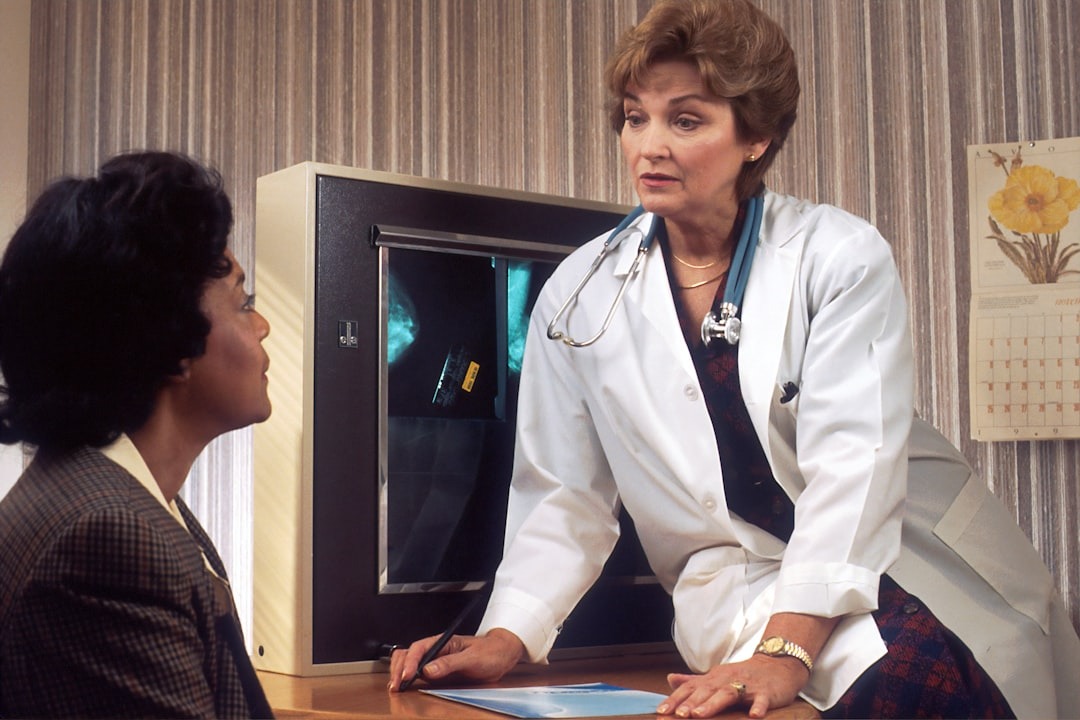
Inside a PMHNP Addiction Appointment: What Patients Actually Experience
This article is part of Medication-Assisted Treatment & Harm Reduction Psychiatry, a series examining how…
-
 Addiction & Recovery, Addiction Psychiatry, Dual Diagnosis, Medication-Assisted Treatment & Harm Reduction, PMHNP Role, Psychiatry & Medication, The PMHNP Guide to Addiction Psychiatry
A PMHNP’s Role in Treating Addiction
This article is part of Medication-Assisted Treatment & Harm Reduction Psychiatry, a series examining how…
-
 Addiction Psychiatry, PMHNP Role, Psychiatry & Medication, The PMHNP Guide to Addiction Psychiatry, Understanding Addiction
What a Psychiatric Mental Health Nurse Practitioner (PMHNP) Actually Does
This article is part of The PMHNP Guide to Addiction Psychiatry, a clinical education series…

When Addiction Requires Psychiatric Expertise
Substance use disorders often involve co-occurring mental health conditions, trauma history, and medical risk. PMHNP-led addiction psychiatry focuses on safety, accurate diagnosis, and evidence-based treatment that addresses the whole person—not just the substance.
👉 Explore Psychiatry Services
👉 Schedule a Psychiatry Appointment
No selling. No pressure. Just clarity.