
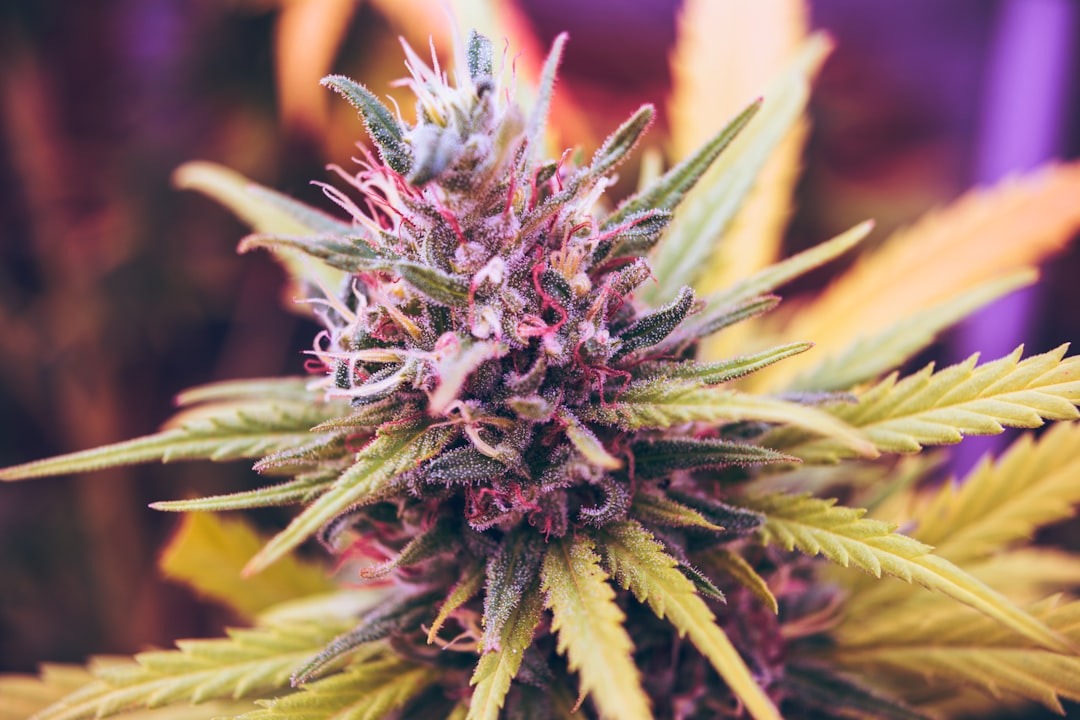
Cannabis is often framed as either harmless or dangerous—but psychiatry lives in the middle ground.
Modern cannabis use is not the same as it was decades ago. Today’s high-THC products interact with brain chemistry, trauma history, genetics, and mental health vulnerability in complex ways.
From a psychiatric perspective, cannabis can relieve symptoms for some individuals while worsening anxiety, mood instability, motivation, cognition, or psychosis risk for others. The outcome depends on factors such as dose, frequency, THC concentration, age of onset, co-occurring mental health conditions, and individual neurobiology.
This hub brings together psychiatry-informed education written from a Psychiatric Mental Health Nurse Practitioner (PMHNP) perspective. The goal is not to promote or demonize cannabis—but to explain what psychiatry actually knows, what remains uncertain, and how clinicians assess risk, vulnerability, and impact on mental health.
The content here is educational and does not replace individualized psychiatric evaluation.
-
 Addiction Psychiatry, Cannabis & Mental Health, Co-Occurring Disorders & Dual Diagnosis, Myths vs Facts, Psychiatry & Medication, Withdrawal Management
Cannabis, Psychosis, and Vulnerability: What Psychiatry Screens For Before Recommending Use
As cannabis becomes more potent and widely used, psychiatry is seeing an increase in psychosis-related concerns. High-THC cannabis can trigger paranoia, hallucinations, and psychotic symptoms—especially in people with certain vulnerabilities, including family…
-
 Addiction & Recovery, Addiction Psychiatry, Cannabis & Mental Health, Co-Occurring Disorders & Dual Diagnosis, Nervous System & Emotional Regulation, Psychiatry & Medication
High-THC Cannabis, Anxiety, and Panic: Why Today’s Marijuana Feels Different
Marijuana today is far more potent than it was even a decade ago — and psychiatry is seeing the consequences. High-THC cannabis can overstimulate the brain’s stress and threat systems, triggering anxiety,…
-
 Addiction & Recovery, Addiction Psychiatry, Cannabis & Mental Health, Psychiatry & Medication, Understanding Addiction
Marijuana and Mental Health: What Psychiatry Actually Knows (and What Patients Are Rarely Told)
Marijuana is often viewed as harmless — especially when compared to other substances. But psychiatry tells a more nuanced story. Cannabis affects the brain systems responsible for mood, anxiety, motivation, and perception.…

When Cannabis Affects Mental Health
Cannabis-related anxiety, mood changes, motivation loss, panic, or psychosis risk often reflect underlying psychiatric vulnerability rather than simple “overuse.” Psychiatric evaluation helps determine whether symptoms are substance-related, unmasking a mental health condition, or part of a co-occurring disorder.
👉 Explore Psychiatry Services
👉 Schedule an Appointment