

This article is part of our Adult ADHD Psychiatry Series, which explores how ADHD actually presents in adults — including dopamine regulation, emotional dysregulation, shame, burnout, addiction overlap, and evidence-based psychiatric treatment.
You can explore the full series in our adult ADHD psychiatric perspective hub

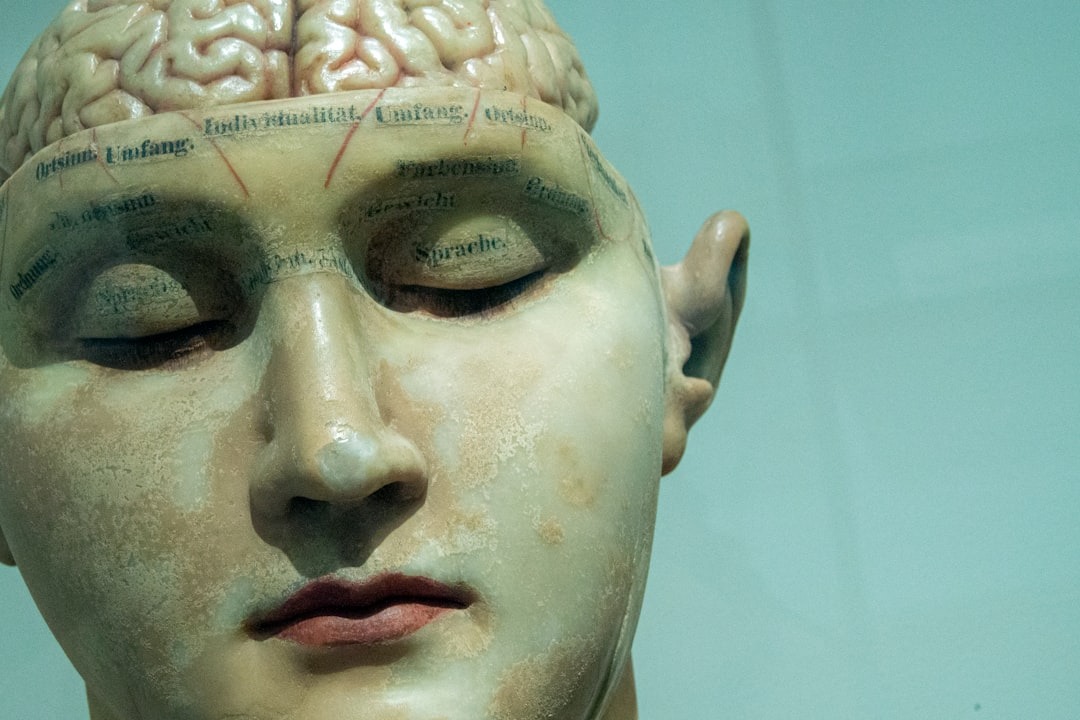
For years, ADHD has been framed—both in psychiatry and popular culture—as a frontal lobe disorder.
You’ve probably heard phrases like:
- “The executive center of the brain isn’t working”
- “It’s a prefrontal cortex problem”
- “Impulse control lives in the frontal lobe”
While the frontal lobes are involved in ADHD, this simplified explanation has led to diagnostic blind spots, misguided treatment, and missed opportunities for care—especially in adults.
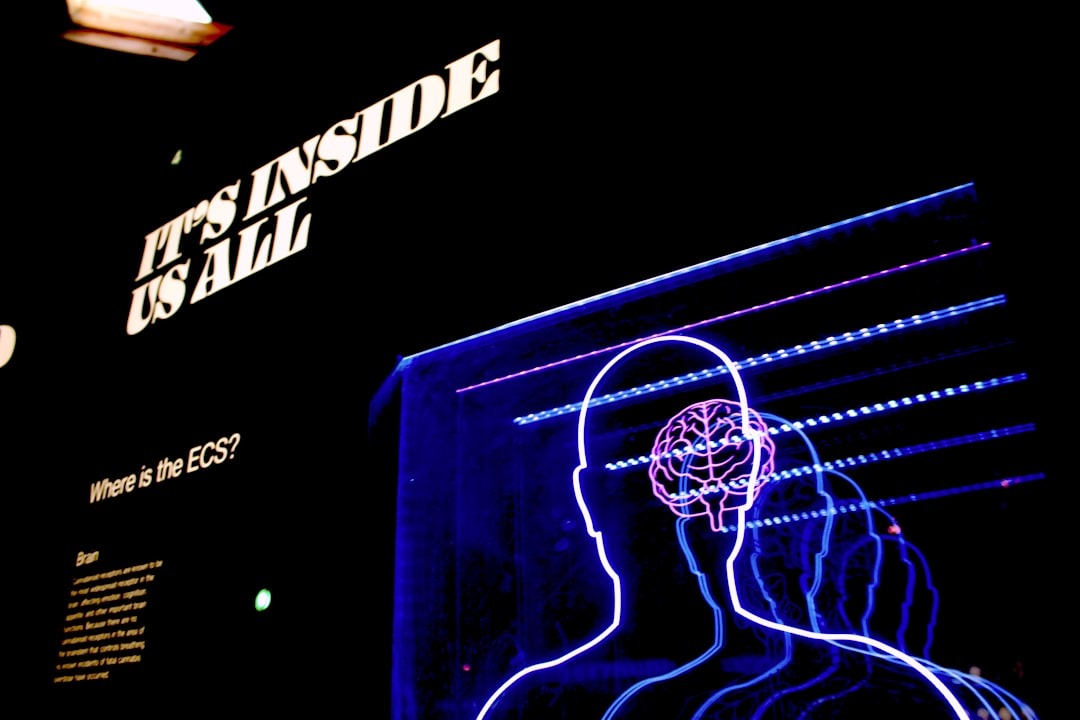
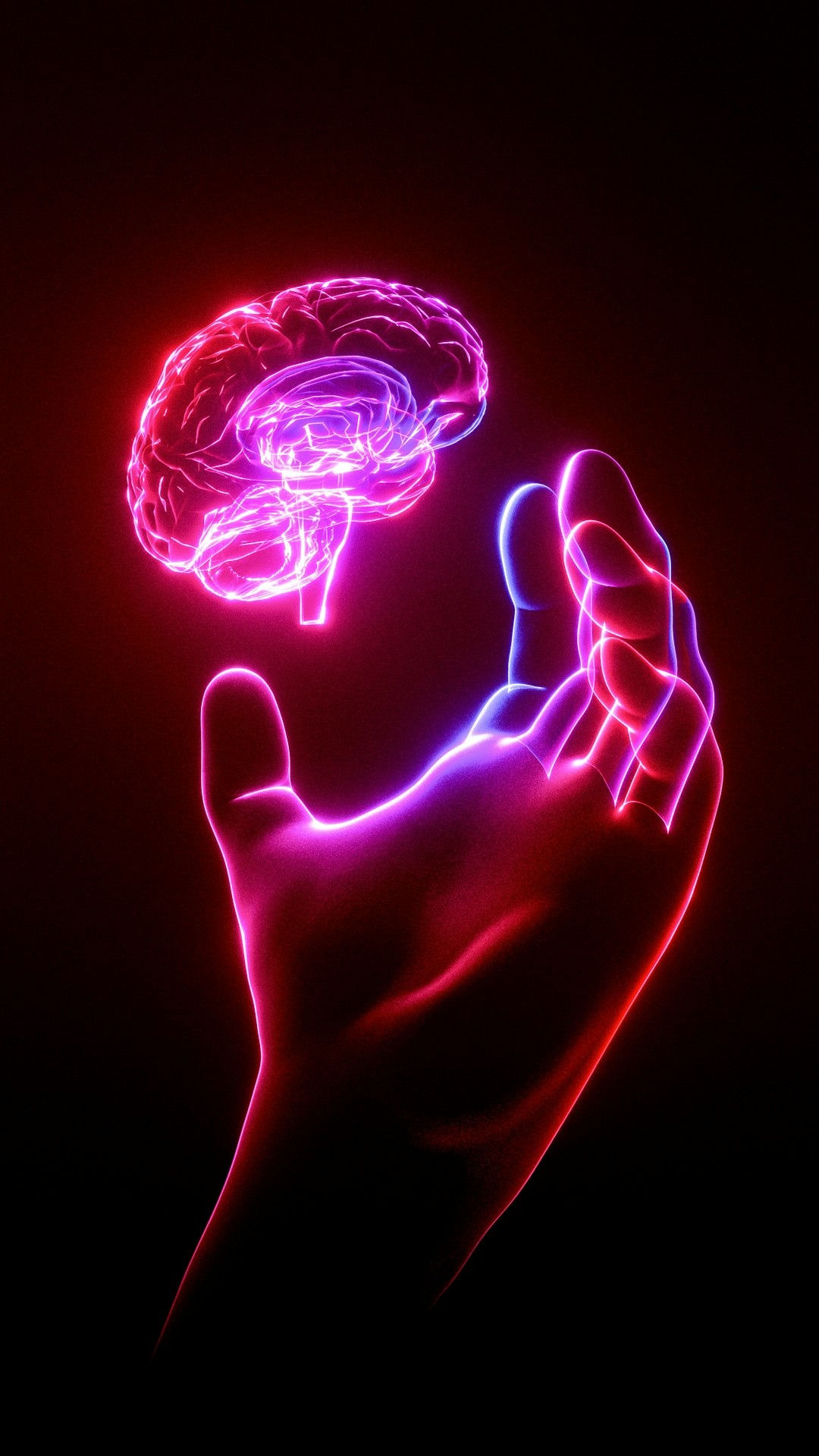
Modern psychiatry increasingly recognizes that ADHD is not a localized brain defect, but a whole-brain network disorder involving attention, regulation, motivation, and emotional processing.
Understanding what psychiatry gets wrong—and why it matters—changes how ADHD is assessed and treated.
Where the Frontal Lobe Model Came From
Early ADHD research focused heavily on the prefrontal cortex because it plays a role in:
- planning
- inhibition
- organization
- working memory
This made intuitive sense.
ADHD symptoms look like executive dysfunction.
Neuroimaging studies appeared to support this narrative, showing differences in frontal regions in ADHD populations.
Neuroimaging findings are often over-interpreted, methodologically weak, and frequently misunderstood outside research contexts.
The Problem With a “Single-Region” Explanation
The biggest mistake psychiatry makes is treating ADHD as though:
“If we fix the frontal lobe, the problem goes away.”
This assumption fails clinically because ADHD symptoms:
- fluctuate by context
- worsen under stress
- improve with novelty
- intensify with shame
- overlap with emotional dysregulation
- change across the lifespan
A single-region deficit cannot explain this variability.
ADHD behaves like a network disorder, not a broken brain part.
ADHD Is a Whole-Brain Disorder
Modern evidence shows ADHD involves dysregulation across multiple interconnected systems:
Attention Networks
- Anterior cingulate cortex (task engagement)
- Parietal networks (sustained attention)
- Default mode network (mind-wandering)
Difficulty is not “paying attention,” but regulating attention.
Dopaminergic Reward Systems
ADHD brains are under-aroused, not impulsive.
Dopamine signaling inefficiency affects:
- motivation
- task initiation
- persistence
- boredom tolerance
- novelty-seeking
This explains why stimulation can feel organizing, not distracting.
Emotional Regulation Circuits
ADHD affects:
- limbic system reactivity
- stress response
- frustration tolerance
- rejection sensitivity
These are often mislabeled as:
- personality traits
- mood instability
- “emotional immaturity”
They are regulatory—not character—differences.
Working Memory & Time Perception Systems
ADHD involves:
- difficulty holding information in mind
- impaired sequencing
- inaccurate time estimation (often 30–33% off)
This explains chronic lateness, under-planning, and burnout—none of which are frontal-lobe-only phenomena.

Why the Frontal Lobe Model Misses Adult ADHD
Adults with ADHD often:
- compensate heavily
- mask symptoms
- hyperfocus in narrow areas
- appear “functional”
- collapse under cumulative stress
If clinicians expect ADHD to look like:
- impulsivity
- hyperactivity
- obvious disinhibition
They will miss:
- inattentive ADHD
- internal restlessness
- emotional dysregulation
- shame-driven avoidance
- burnout-based collapse
Functional impairment, not visible impulsivity, is the key diagnostic lens.
The Neuroimaging Trap in Psychiatry
Neuroimaging research is often overstated, poorly corrected for false positives, and clinically misapplied.
The famous “dead fish” fMRI study to illustrate how easily false activation can appear without proper statistical correction.
This doesn’t mean neuroscience is useless—it means psychiatric diagnosis must remain clinically grounded, not scan-driven.
Brains do not exist in isolation from:
- lived experience
- environment
- trauma
- stress
- effort
- coping strategies
Why This Misconception Affects Treatment
When ADHD is treated as a frontal lobe disorder:
- emotional dysregulation is ignored
- shame is overlooked
- dopamine under-arousal is misunderstood
- mindfulness is underutilized
- medication framing is inaccurate
- comorbid addiction risk is missed
Treatment becomes too narrow.
Whole-brain disorders require whole-person care.
How PMHNPs Conceptualize ADHD Differently
From a PMHNP perspective, ADHD is best understood as:
- a neurodevelopmental regulation disorder
- involving attention, emotion, motivation, and stress
- shaped by life demands and coping patterns
- worsened by shame and burnout
- responsive to multi-modal treatment
This includes:
- accurate diagnosis
- medication when appropriate
- mindfulness as attentional rehabilitation
- psychoeducation
- compassion-centered framing
- functional—not moral—assessment
Key Takeaways
- ✔ ADHD is not a frontal lobe defect
- ✔ It is a whole-brain network disorder
- ✔ Dopamine dysregulation is central
- ✔ Emotional regulation matters
- ✔ Neuroimaging ≠ diagnosis
- ✔ Functional impairment is the key marker
- ✔ Treatment must be integrative