
Tag: Neurodevelopmental Disorders
-

Many adults with ADHD aren’t missed because they’re doing poorly — they’re missed because they’re doing too well. High functioning often masks ADHD through over-compensation, anxiety, and burnout. Psychiatry must assess effort, not just outcomes, to diagnose ADHD accurately.
-

ADHD isn’t an impulsivity disorder — it’s an under-arousal disorder. Understanding ADHD through dopamine, attention, and novelty-seeking explains why so many adults struggle with addiction, compulsive behaviors, and shame despite high intelligence and effort. This psychiatric perspective changes how we diagnose, treat, and support recovery.
-
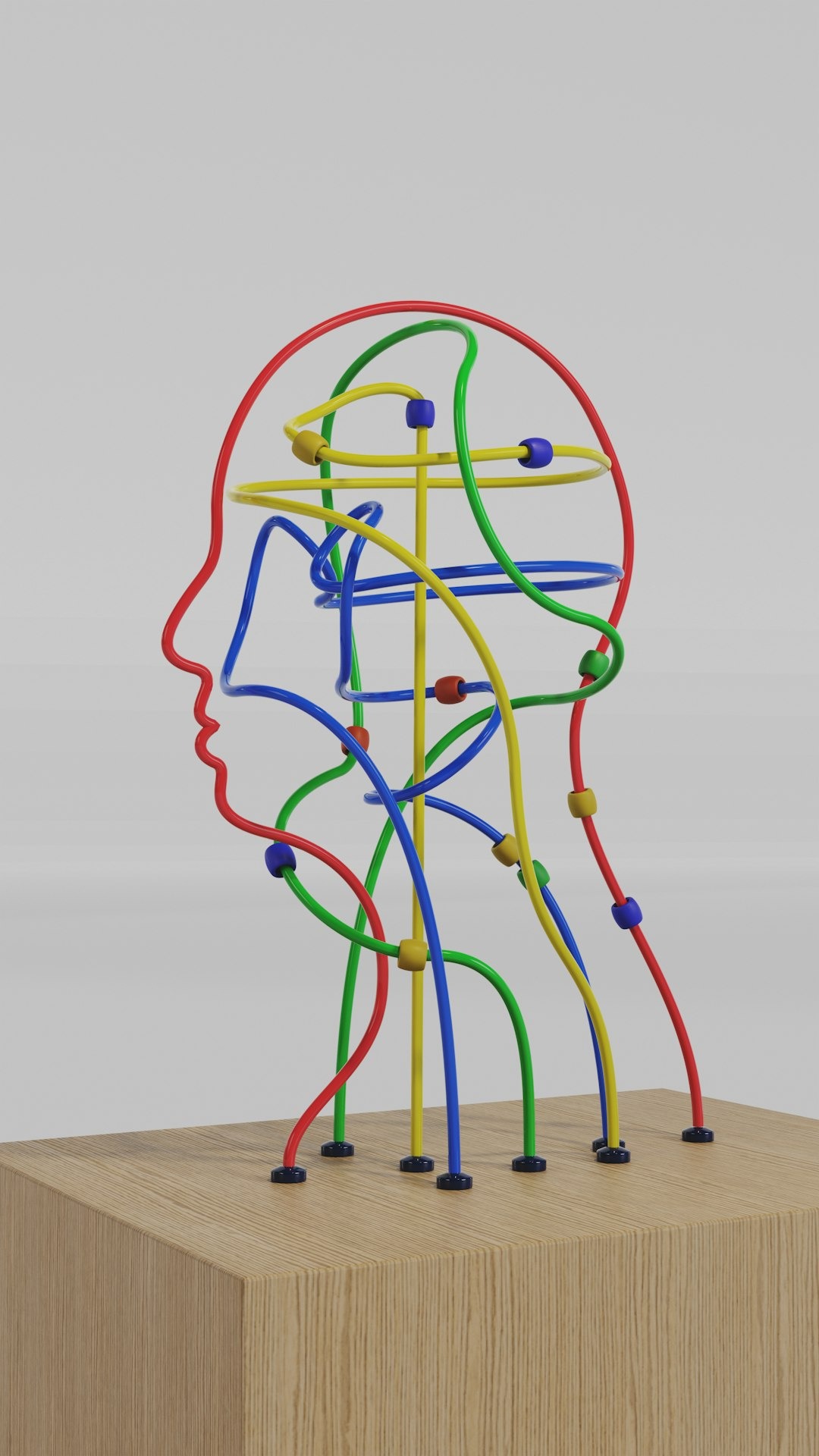
Adults with ADHD don’t seek novelty because they’re impulsive — they seek it because their brains are under-aroused. Understanding dopamine regulation explains why boredom feels unbearable, why stimulation can feel calming, and why ADHD overlaps with addiction and compulsive behaviors. This psychiatric perspective changes how we treat ADHD — and how much compassion we bring…
-

ADHD isn’t a frontal lobe defect—it’s a whole-brain regulation disorder. When psychiatry reduces ADHD to “poor impulse control,” it misses dopamine dysregulation, emotional regulation, and functional impairment—especially in adults. This misunderstanding affects diagnosis, treatment, and patient outcomes.
-

ADHD isn’t a personality flaw — it’s a functional impairment. Many adults with ADHD expend enormous effort just to meet basic expectations, yet internalize shame when outcomes fall short. Psychiatry understands ADHD as a brain-based condition, not a character defect — and that distinction changes everything.