
Tag: emotional regulation
-

Anger, fear, sadness, and shame are often treated as problems to eliminate. From a psychiatric perspective, these emotions exist for a reason. Each one carries information meant to protect, guide, or heal us. This article explores the gifts of emotions — and why mental health improves when we stop fighting feelings and start understanding them.
-

Many people were taught to avoid emotions — not understand them. Psychiatry recognizes emotions as temporary waves in the nervous system. When we interrupt them through avoidance or suppression, distress often increases. When we allow them to rise and fall, regulation improves. This article explains why riding the wave of emotion builds resilience, safety, and…
-

ADHD isn’t a frontal lobe defect—it’s a whole-brain regulation disorder. When psychiatry reduces ADHD to “poor impulse control,” it misses dopamine dysregulation, emotional regulation, and functional impairment—especially in adults. This misunderstanding affects diagnosis, treatment, and patient outcomes.
-
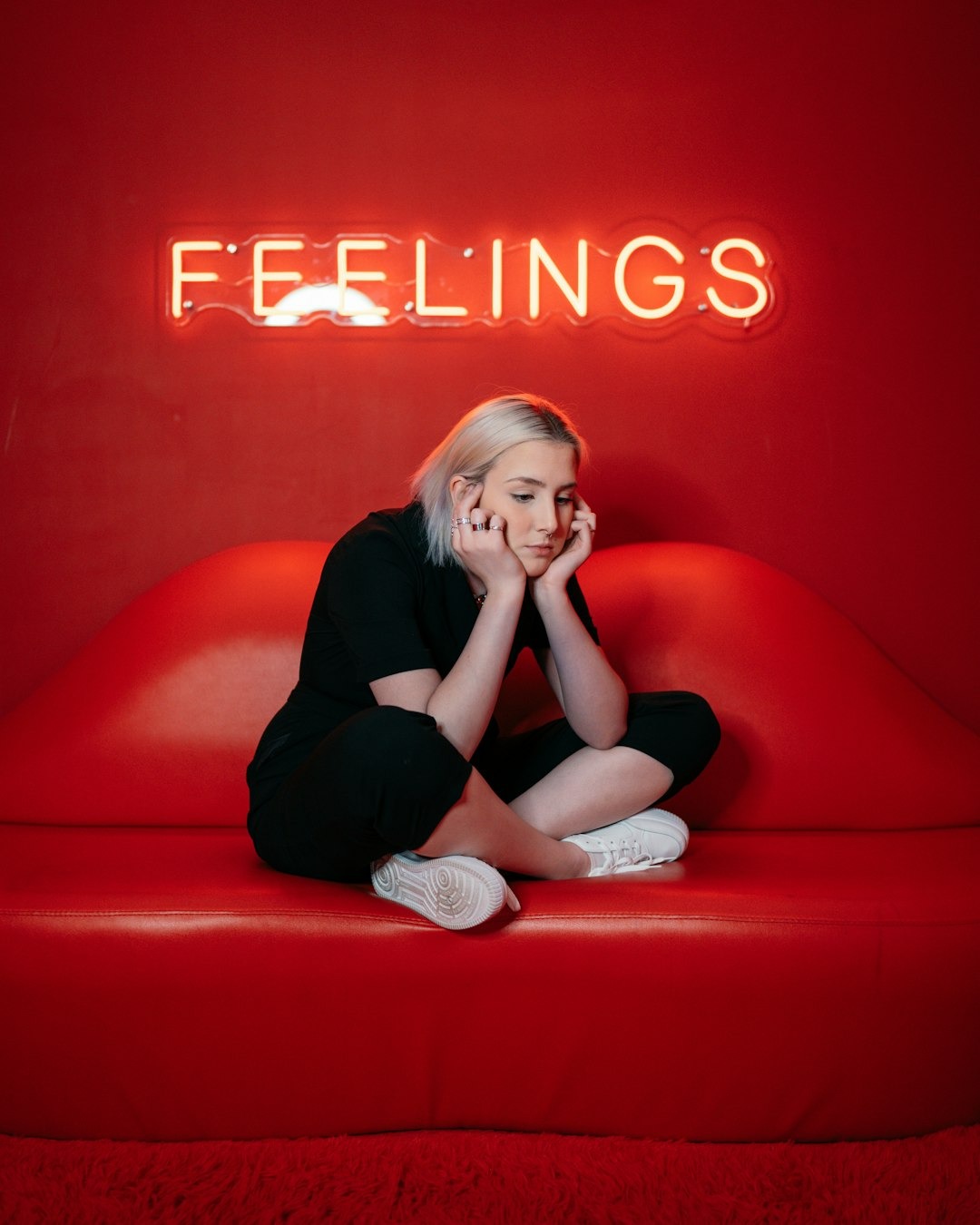
When people feel numb, overwhelmed, or emotionally explosive, they often blame themselves. Psychiatry understands these patterns differently — as nervous system responses that occur when emotions move outside the window of tolerance. This article explains the scale of emotion, why people shut down or overflow, and how learning to stay with emotion safely is key…
-

ADHD isn’t a personality flaw — it’s a functional impairment. Many adults with ADHD expend enormous effort just to meet basic expectations, yet internalize shame when outcomes fall short. Psychiatry understands ADHD as a brain-based condition, not a character defect — and that distinction changes everything.
-

Many people believe their emotions are the problem. From a psychiatric perspective, that belief causes more harm than the emotions themselves. Feelings are not signs of weakness or pathology — they are nervous system responses shaped by biology, experience, and safety. This article explains why there is nothing wrong with your emotions, how shame worsens…