
Nourishing the Body to Support the Mind
Nutrition plays a powerful role in emotional health, energy, sleep, and overall wellbeing.
At Arizona Mental Wellness, we approach nutrition through compassion, balance, and an understanding of how the brain and body work together — not restriction or perfection.
Whether you’re navigating anxiety, depression, ADHD, burnout, sleep challenges, or major life transitions, supportive nutrition habits can help stabilize mood, improve focus, and strengthen daily functioning.
You deserve a relationship with food that feels grounded, supportive, and free from shame.

How Nutrition Affects Mental Health
Nutrition influences far more than physical health. It directly impacts:
- Mood regulation and emotional stability
- Energy levels and fatigue
- Sleep quality and circadian rhythm
- Stress tolerance and nervous system regulation
- Attention, focus, and executive functioning
- Blood sugar stability and irritability
- Hormone balance and inflammation
- Gut–brain communication
Good nutrition does not mean eating perfectly.
It means building habits that support your mental and physical health in ways that are realistic, flexible, and sustainable.
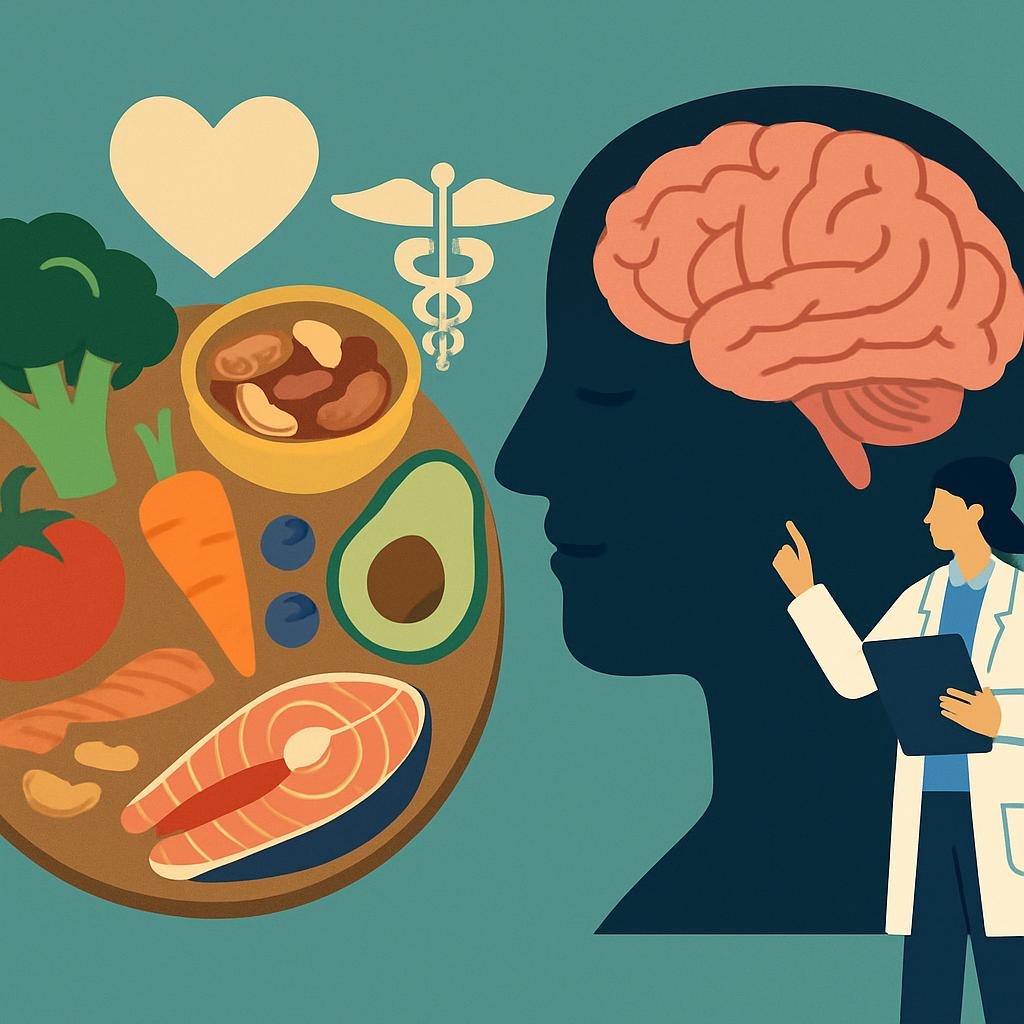
Nutrition & Brain Health
Key nutrients play a direct role in mental and emotional wellbeing:
- Omega-3 fatty acids support mood regulation and focus
- B-vitamins influence energy production and stress response
- Iron and ferritin affect fatigue, concentration, and ADHD symptoms
- Vitamin D supports mood and immune function
- Magnesium plays a role in anxiety reduction and sleep quality
- Protein supports neurotransmitter production
- Complex carbohydrates help regulate blood sugar and prevent mood crashes
Our wellness approach integrates these principles gently — without dieting, restriction, or fear-based messaging.

A Supportive, Non-Diet Wellness Approach
We focus on nutrition practices that prioritize:
- Nourishment over restriction
- Stability over perfection
- Listening to internal cues
- Reducing shame around food
- Supporting emotional and sensory needs
- Encouraging gradual, sustainable change
This approach is especially supportive for individuals recovering from chronic dieting, emotional eating, or stress-related eating patterns
Nutrition Support for Neurodivergent Clients
Nutrition can be uniquely challenging for individuals with ADHD, Autism, OCD, or sensory differences.
Our wellness ideals adapt to account for:

Texture and sensory preferences
Executive functioning challenges

Limited or repetitive food preferences
Interoceptive awareness differences

Meal planning overwhelm
Appetite changes related to stimulants or anxiety
We work with your preferences and strengths — helping stabilize energy and mood without pressure or shame.

Begin Your Journey to Mental Wellness Today
Discover expert insights and practical tips to support your mental health journey with Arizona Mental Wellness.
- Balanced meals for steady energy
- Eating patterns that support sleep health
- Mindful and intuitive eating practices
- Emotional eating versus physical hunger
- Blood sugar stability and mood regulation
- Nutrition strategies for ADHD and burnout
- Stress-related appetite changes
- Gut–brain health
- Hydration and mental clarity
- Supporting psychiatric medications through nutrition
- Nutrition is one meaningful part of a larger holistic mental wellness framework.

Nutrition + Therapy: A Holistic Approach
Therapy can be essential when emotions, trauma, stress, or self-esteem impact eating patterns.
Therapy can support:
- Navigating life transitions that affect eating
- Emotional eating awareness
- Reducing shame or guilt around food
- Stress-related appetite changes
- Body image and self-compassion
- Executive functioning challenges
- Healing food-related trauma

Nutrition + Psychiatry: Supporting the Whole Person
Mental health symptoms affect appetite — and nutrition affects how medications work.
Psychiatric care can help stabilize:
- Mood and anxiety
- Sleep and energy
- Appetite changes
- ADHD-related nutrition challenges
- Medication side effects
When appropriate, providers may recommend labs such as iron, vitamin D, B12, thyroid, or metabolic markers.
Together, nutrition and psychiatry support consistent energy, emotional stability, and nervous system regulation
Building Your Personalized Nutrition Wellness Plan
Your wellness plan may include:
- Gentle habit-building
- Mindful eating strategies
- Simple meal ideas for busy schedules
- Foods that support focus and energy
- Support for medication-related appetite changes
- Executive-function-friendly planning tools
- Sensory-friendly food options
- Sleep-supportive nutrition habits
- Gut–brain supportive patterns
There is no single “right” way to eat — only what supports your health and your life.


Begin Nourishing Your Mind and Body
Nutrition is a powerful tool for mental wellness — and you don’t have to navigate it alone.
We’re here to help you build a compassionate, balanced, and sustainable approach that supports your emotional health and overall wellbeing.
A: Nutrition influences mood, energy, sleep, focus, stress tolerance, and nervous system regulation. Balanced nutrition supports brain chemistry and emotional stability.
A: No. Mental wellness nutrition focuses on nourishment and balance, not strict diets or restriction. Sustainable habits are more effective than perfection.
A: Yes. Stable blood sugar, adequate nutrients, and regular meals can reduce mood swings, fatigue, and stress sensitivity that worsen anxiety and depression.
A: Absolutely. Nutrition strategies can be adapted for sensory preferences, executive functioning challenges, and medication-related appetite changes.
A: When appropriate, providers may evaluate labs such as iron, vitamin D, B12, or thyroid levels to support mental health treatment.