
Explore Our Commitment to Mindfulness and Mental Wellness
Cultivating Calm, Awareness, and Emotional Balance
Mindfulness is more than a relaxation technique — it is a powerful wellness practice that helps you feel more grounded, emotionally regulated, and connected to yourself.
At Arizona Mental Wellness, mindfulness is woven into our whole-person care model because it supports mental clarity, stress reduction, emotional resilience, and nervous system balance.
Whether you’re navigating anxiety , trauma or PTSD , ADHD, depression, or simply want to feel more present, mindfulness offers accessible tools that help you slow down, breathe, and reconnect with your inner self.
You already have the capacity for presence — we help you nurture it.
Experience Mindfulness Benefits for Lasting Wellness
Discover how mindfulness fosters emotional balance, clarity, and resilience tailored to your unique mental wellness journey. Mindfulness means paying attention to your present-moment experience with curiosity, gentleness, and without judgment.
It helps you notice:

Emotional Balance
- Your thoughts without getting pulled into them
- Your emotions without feeling overwhelmed
- Your physical sensations before stress escalates
- Your needs before they turn into burnout
Personalized Mindfulness Techniques
Mindfulness isn’t about “emptying the mind.”
It’s about changing your relationship to your mind — creating space, calm, and choice.
Mindfulness supports mental health by:
Holistic Mental Health Support
- Calming the stress response
- Improving emotional regulation
- Increasing focus and clarity
- Strengthening resilience across daily challenges
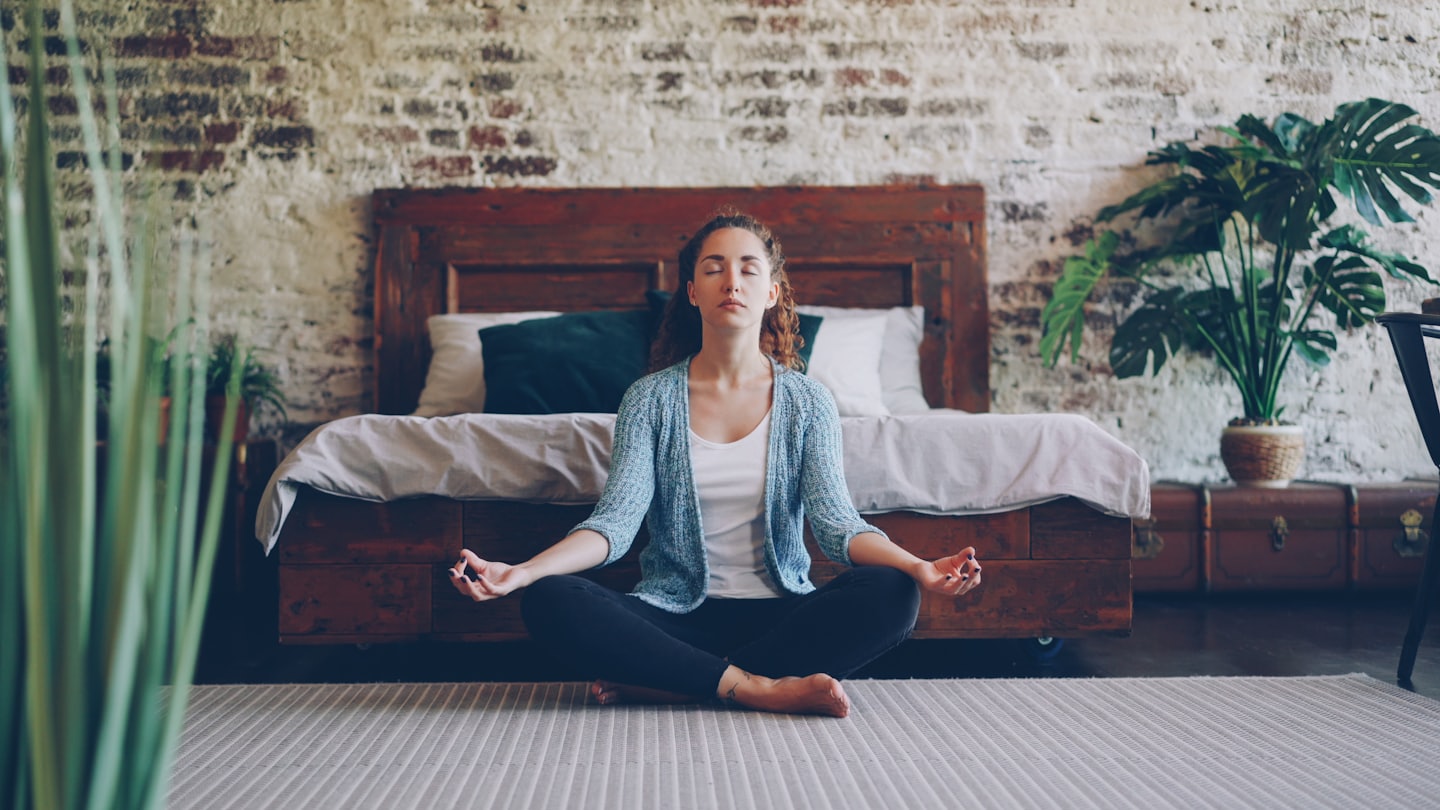
Discover Mindfulness Benefits
Learn how mindfulness fosters emotional balance and mental clarity. Evidence shows mindfulness can meaningfully improve symptoms of:
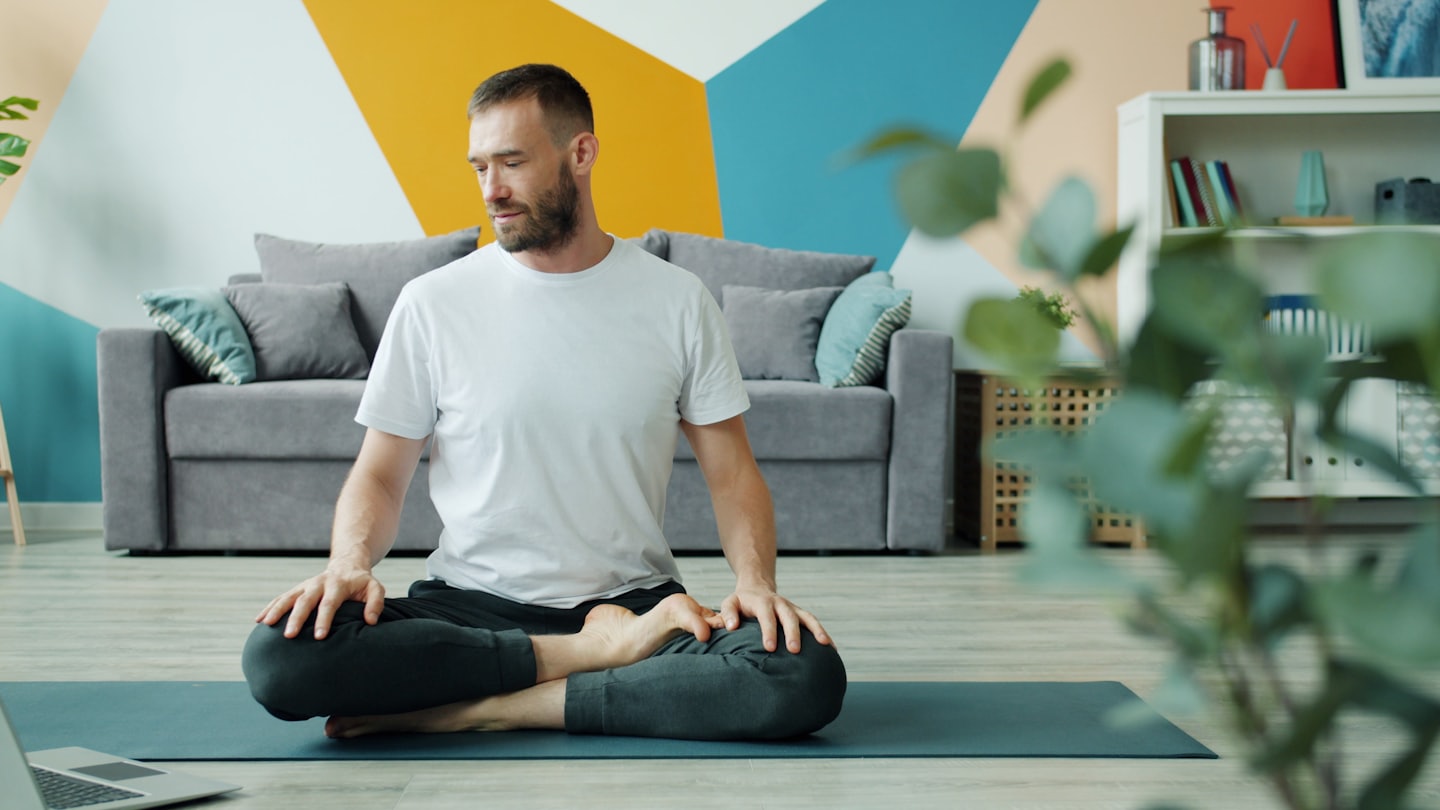
Personalized Mindfulness helps with
- Anxiety and overthinking
- Depression
- PTSD and hyperarousal
- Sleep problems
- ADHD and executive dysfunction
- Rumination and intrusive thoughts
- Emotional reactivity
- Chronic stress and burnout
- Grief, loss, and life transitions
Mindfulness also strengthens:
- Self-compassion
- Focus and concentration
- Nervous system regulation
- Body awareness
- Stress tolerance
Like physical exercise, mindfulness develops gradually, becoming stronger with practice.
Mindfulness for Neurodivergent Individuals
We believe in neurodiversity-affirming mindfulness, adapted for:

- ADHD
- Autism
- Sensory processing differences
- Trauma histories
- Emotional dysregulation
- Executive functioning challenges

Adaptations may include:
- Shorter practices
- Movement-based grounding
- Visual or auditory cues
- Sensory-friendly strategies
- Step-by-step instruction
Mindfulness should feel supportive, not stressful or overwhelming.
Mindfulness Practices We Believe In
Our wellness team integrates mindfulness into treatment plans tailored to each client’s comfort level, needs, and neurotype.

Mindful Breathing
Simple breathwork exercises that reduce anxiety and activate the parasympathetic nervous system.

Body Scan & Somatic Awareness
Builds awareness of tension, calm, or discomfort — especially helpful in trauma recovery.

Sensory Grounding
Using sight, touch, sound, or movement to anchor your attention.
Ideal for ADHD, autism, and anxiety.

Thought Observation
Learning to watch thoughts as passing mental events rather than facts. Helpful for rumination and OCD-type thinking.
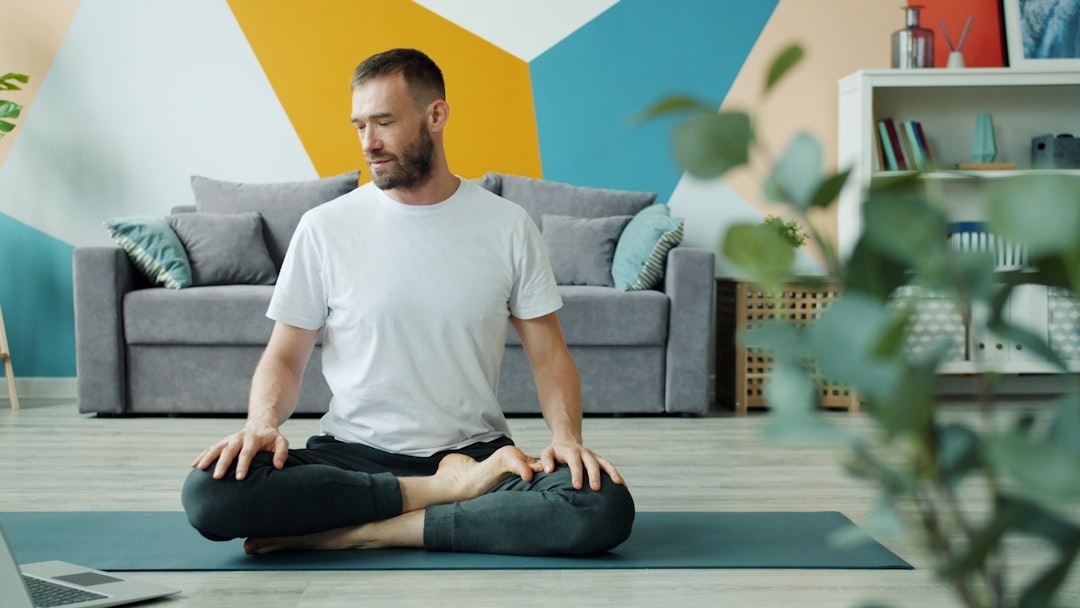
Mindful Movement
Gentle stretching, walking, or yoga-inspired practices to release emotion and regulate the nervous system.
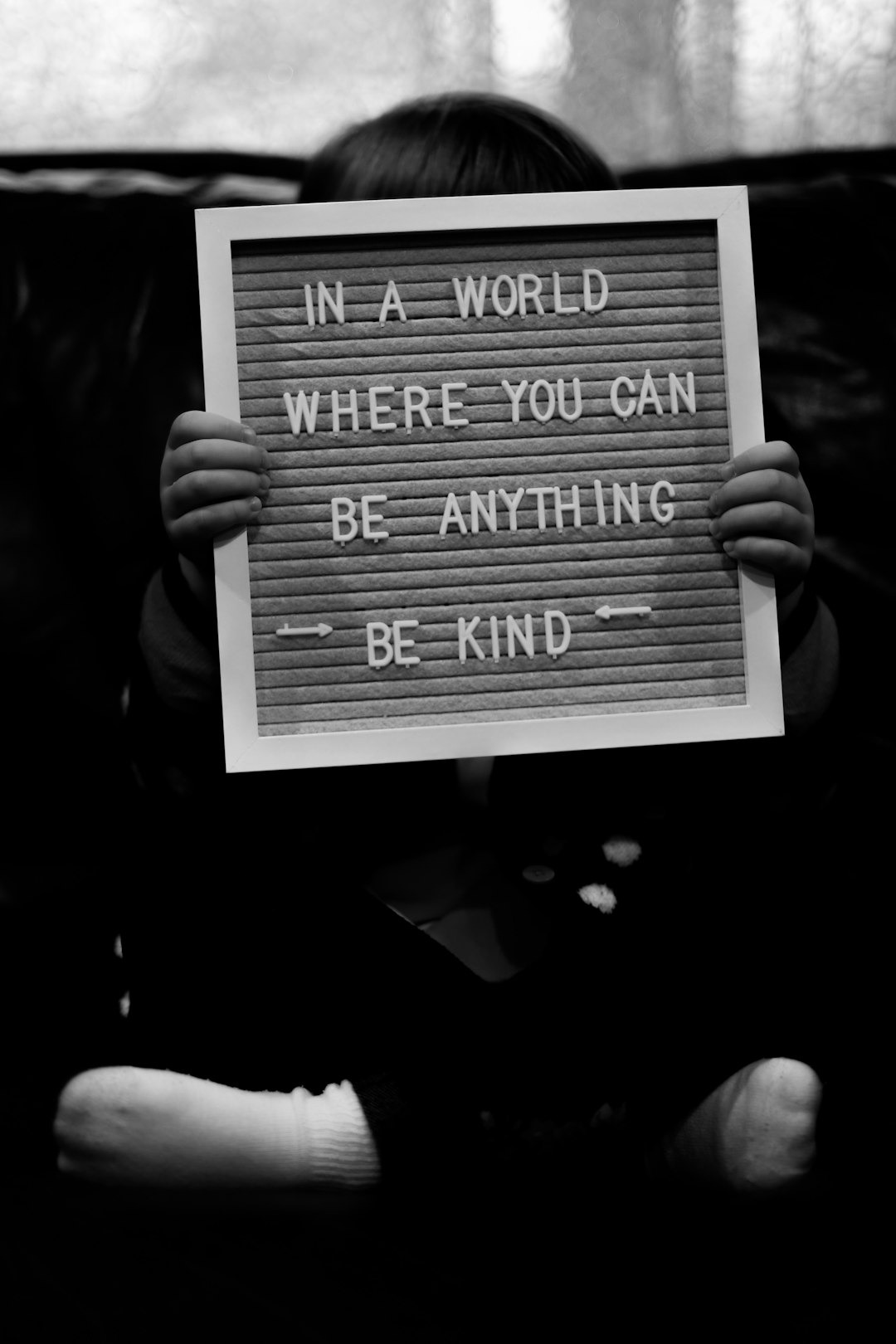
Loving-Kindness & Self-Compassion
Supports healing from shame, self-criticism, or perfectionism.

Mindful Daily Routines
Turning simple habits — brushing teeth, making coffee, commuting — into grounding rituals.
Mindfulness + Therapy: A Powerful Combination
Mindfulness becomes even more effective when combined with therapy.
Our therapists integrate mindfulness-informed approaches within:
- CBT
- DBT
- ACT
- EMDR (trauma processing)
- Trauma-focused therapy
- Grief and loss counseling
- ISTDP-informed emotional work
Mindfulness supports healing. Therapy helps you make meaning of it.

Mindfulness + Psychiatry: Restoring Balance
Mindfulness improves nervous system regulation, but sometimes symptoms are intense or biologically rooted. Psychiatry can support:
- Severe anxiety
- Insomnia or racing thoughts
- Mood swings
- ADHD overstimulation
- Trauma-related hyperarousal
- Depression that affects motivation
Medication and mindfulness often work best together:
- Mindfulness calms the body
- Medication stabilizes the brain
- Therapy integrates the emotional experience
👉 Learn About Psychiatry Services
Integrating Mindfulness Into Your Wellness Plan
Your provider may help you create:
- A daily grounding routine
- Breathing exercises for stress or panic
- Sleep-focused mindfulness practices
- Sensory regulation strategies
- Personalized guided meditations
- A calm-down plan for overwhelm
- Gentle habit-building tools
Mindfulness is meant to be practical, compassionate, and flexible.
Begin Your Mindfulness Journey
Mindfulness offers a moment of grounding in a busy world and a way back to your inner calm.
Whether you’re brand new or deepening a practice, we can help you build a supportive, sustainable routine that enhances your emotional health.
A: Mindfulness is the practice of focusing on the present moment with curiosity and without judgment. It supports mental health by reducing stress, improving emotional regulation, and helping you respond to thoughts and feelings more effectively.
A: No. Mindfulness can start with simple practices like breathing, grounding, or noticing sensations. It is accessible to beginners and can be adapted to any skill level.
A: Yes. Mindfulness can reduce worry, rumination, and emotional reactivity while supporting calm and clarity. It is commonly used alongside therapy and other mental health treatments.
A: Absolutely. Mindfulness can be adapted for ADHD, autism, sensory sensitivities, and executive functioning challenges. Shorter, movement-based, or sensory-focused practices are often effective.
A: No. Mindfulness is a helpful tool but not a standalone treatment for most mental health conditions. Many people experience the best results when mindfulness is combined with therapy and, when needed, psychiatric care.
A: Even a few minutes a day can be effective. Consistency matters more than duration. Your clinician can help you build a routine that fits your lifestyle and mental health needs.