
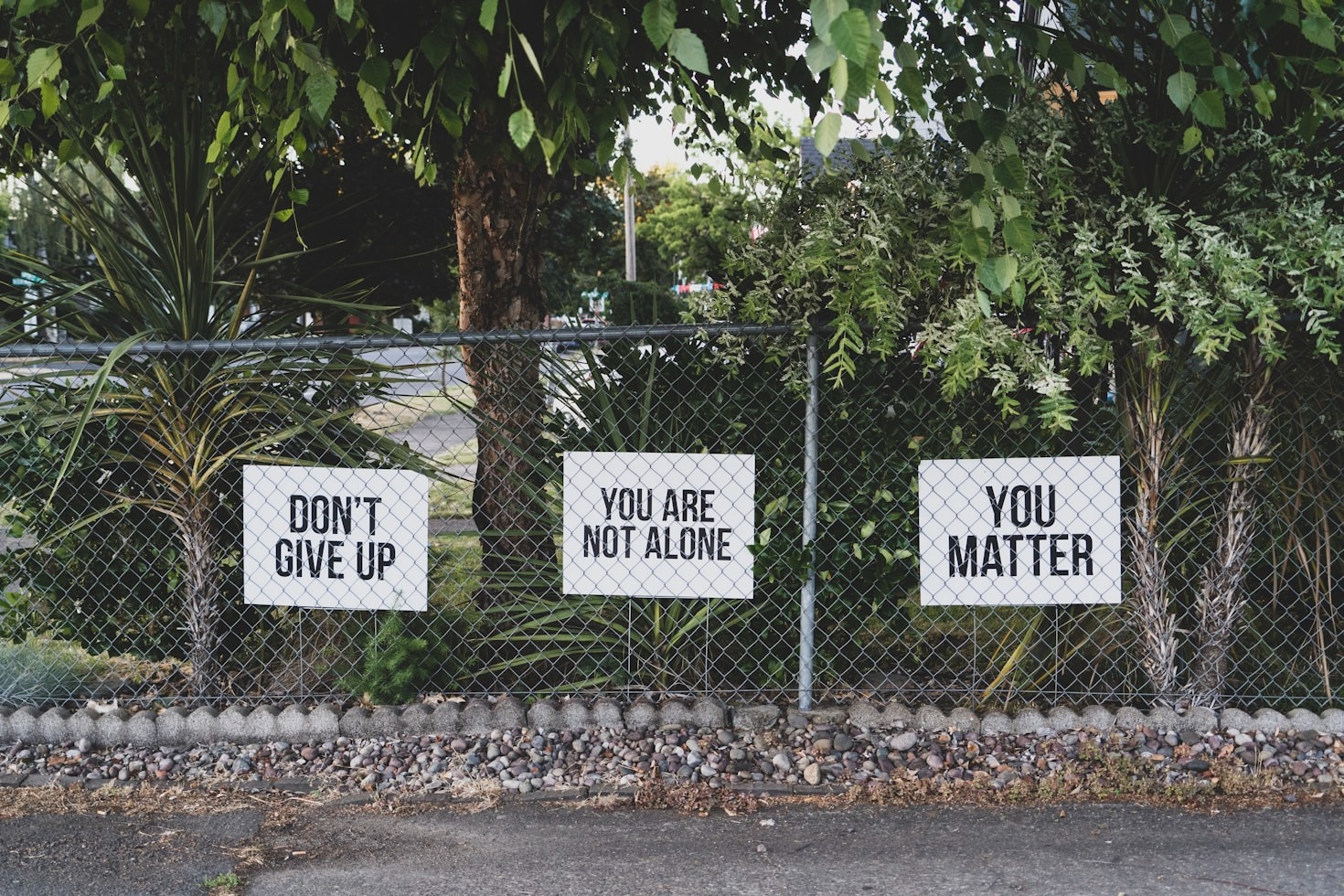
As a Psychiatric Mental Health Nurse Practitioner (PMHNP), one of the most common things I hear from patients isn’t about symptoms or medications — it’s this:
- “I should be able to handle this on my own.”
- “I don’t want to be labeled.”
- “Other people have it worse.”
- “I’m not ‘that bad’.”
These statements are not signs of weakness.
They are signs of stigma — a deeply ingrained cultural message that tells people their mental health struggles are personal failures instead of legitimate medical concerns.
Breaking the stigma around mental health care isn’t just a social issue.
It’s a clinical necessity.
What Is Mental Health Stigma — Clinically Speaking?
Stigma is not just negative language or stereotypes. In healthcare, stigma shows up as:
- Delaying care until symptoms become severe
- Minimizing or dismissing emotional distress
- Avoiding psychiatric evaluation due to fear of judgment
- Feeling shame about needing medication
- Internalized beliefs like “I’m broken” or “I should be stronger”
From a clinical perspective, stigma directly worsens outcomes by delaying treatment, increasing symptom severity, and reinforcing isolation.
Mental Health Conditions Are Medical Conditions
From a PMHNP standpoint, mental health disorders are brain-based, biologically influenced, and medically recognized conditions.
Conditions like:
- Depression
- Anxiety disorders
- ADHD
- Bipolar disorder
- PTSD
- Substance use disorders
involve measurable changes in:
- Neurotransmitters (serotonin, dopamine, norepinephrine, GABA, glutamate)
- Stress hormones (cortisol)
- Brain circuitry (prefrontal cortex, limbic system)
- Sleep–wake regulation
- Emotional processing
These are not character flaws.
They are treatable medical conditions.
Authoritative sources:
- National Institute of Mental Health (NIMH): https://www.nimh.nih.gov
- National Institute on Drug Abuse (NIDA): https://nida.nih.gov
- Centers for Disease Control and Prevention (CDC): https://www.cdc.gov/mentalhealth
Why Stigma Persists — Even today
Despite increased awareness, stigma remains strong for several reasons:
1. Cultural Messaging
Many people were raised with messages like:
- “Don’t talk about feelings.”
- “Tough it out.”
- “That’s just stress.”
- “You don’t need medication.”
2. Fear of Labels
Patients worry about being:
- judged
- misunderstood
- defined by a diagnosis
- treated differently
3. Misunderstanding Psychiatry
There are persistent myths that psychiatric care means:
- being “drugged”
- losing control
- being permanently labeled
- not being able to function without medication
The PMHNP Role, a significant part of my role is education — not just treatment.
The Cost of Stigma on Mental Health Outcomes
Clinically, stigma leads to:
- Delayed diagnosis
- More severe symptoms at presentation
- Increased risk of substance use
- Higher suicide risk
- Poor medication adherence
- Chronic, untreated illness
According to the CDC, nearly half of adults with mental illness do not receive care, often due to stigma and fear of judgment.
Stigma doesn’t protect people — it keeps them suffering longer than necessary.
What Modern Psychiatric Care Actually Looks Like
One of the most important stigma-breaking truths I share with patients is this:
Psychiatric care today is collaborative, individualized, and patient-centered.
Modern psychiatry is not:
- rushed
- authoritarian
- one-size-fits-all
It is:
- evidence-based
- trauma-informed
- focused on shared decision-making
- respectful of patient values and preferences
As a PMHNP, my role includes:
- Comprehensive psychiatric assessment
- Diagnostic clarification
- Medication education (benefits, risks, alternatives)
- Monitoring labs and side effects when needed
- Integrating therapy, lifestyle, and psychosocial supports
- Regular reassessment and adjustment
Medication is one tool, not the only tool.
Medication and Stigma: One of the Biggest Barriers
Medication stigma is particularly strong.
Common fears include:
- “I’ll become dependent.”
- “It will change my personality.”
- “I should be able to fix this without meds.”
- “Medication means I failed.”
From a clinical standpoint:
- Psychiatric medications restore balance, they don’t erase identity
- Many are time-limited, not lifelong
- Properly prescribed medication can reduce suffering and improve function, not suppress it
Just as insulin helps diabetes and inhalers help asthma, psychiatric medications help regulate brain function.
Seeking Care Is a Strength — Not a Failure
One of the most powerful shifts patients make is reframing help-seeking as self-respect.
Seeking psychiatric care means:
- You’re paying attention to your health
- You’re willing to learn about yourself
- You’re choosing long-term wellbeing over short-term avoidance
- You’re advocating for your quality of life
From a PMHNP perspective, people who seek care are often:
- insightful
- resilient
- motivated
- proactive
- deeply invested in their health
That is strength.
How We Reduce Stigma — Clinically and Culturally
Breaking stigma happens in everyday moments:
- Talking openly about mental health
- Treating psychiatric care like any other healthcare
- Using respectful, non-judgmental language
- Educating patients and families
- Normalizing treatment and follow-up
- Encouraging early intervention
Every time someone chooses care instead of silence, stigma weakens.
When to Consider Psychiatric Care
You do not need to be in crisis to seek help.
Consider evaluation if you experience:
- Persistent low mood or anxiety
- Sleep disruption affecting daily life
- Difficulty concentrating or functioning
- Emotional reactivity or irritability
- Loss of interest or motivation
- Trauma-related symptoms
- Concerns about medication effectiveness
- Questions about diagnosis or treatment options
Early care leads to better outcomes.
A PMHNP’s Perspective
Breaking the stigma around mental health care starts with one simple truth:
Your mental health deserves the same care, compassion, and attention as your physical health.
As a PMHNP, my goal is not to label you — it’s to support you, educate you, and help you feel more like yourself again.
You are not broken.
You are not weak.
You are human — and help is available.
Is mental health care really necessary?
Yes. Mental health conditions affect brain function, daily life, and physical health. Treatment improves quality of life and long-term outcomes.
Does seeing a PMHNP mean I’ll be put on medication?
No. Evaluation focuses on understanding your symptoms, history, and goals. Medication is discussed collaboratively and only when appropriate.
Yes. Psychiatric care follows strict confidentiality and privacy standards.
Often, yes — under medical guidance. Many treatments are time-limited and adjusted as symptoms improve.
No. Seeking care is a sign of insight, courage, and self-advocacy.
Leave a Reply