This article is part of Understanding Addiction: A Psychiatry-Informed Foundation, a series that explains the neuroscience, psychology, and clinical realities behind substance use disorders.
One of the biggest misunderstandings in the addiction world is the belief that drug use and addiction are the same thing.
They’re not — not even close.
People often assume that anyone who uses a substance, especially something illegal or risky, must be addicted. On the flip side, others minimize excessive or harmful use by saying things like:
- “I only use on weekends.”
- “I can stop anytime I want.”
- “It’s not like I’m an addict.”
Understanding the difference between simple drug use and true addiction is essential for getting help early, reducing stigma, and offering compassionate support.

What Counts as Drug Use?
“Drug use” simply means consuming a substance, regardless of type:
- Legal (alcohol, nicotine)
- Illegal (cocaine, heroin, meth)
- Prescription (opioids, benzodiazepines, stimulants)
- Over-the-counter (sleep aids, cough syrups)
- Everyday substances (caffeine, energy drinks, cannabis)
Drug use may be:
- Experimental
- Recreational
- Occasional
- Medical
- Social
For many people, use never progresses to addiction — but use can transition into dependence depending on genetics, stress, trauma, and other factors.

What Is Addiction? The Clinical Definition
According to the National Institute on Drug Abuse (NIDA):
Addiction involves:
- Loss of control
- Obsession or cravings
- Continued use despite harm
- Brain changes in motivation and reward
- Tolerance
- Withdrawal
- Functional impairment
In other words, addiction is not about how much someone uses — it’s about how much it controls their life.
The Spectrum: From Use → Misuse → Addiction
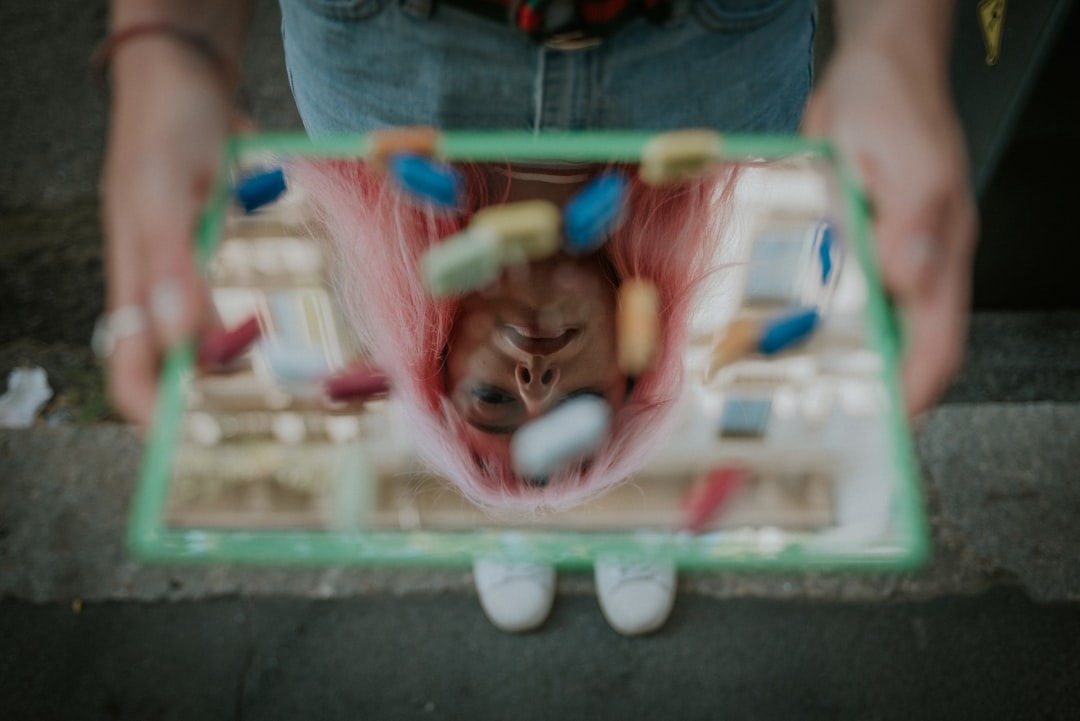
Addiction develops over time, typically moving through recognizable stages:
1. Initial or Casual Use
- Trying a substance socially
- Curiosity or peer influence
- Using for fun or relaxation
At this stage, a person can usually take it or leave it.
2. Regular Use
Substance use becomes more predictable:
- Drinking every weekend
- Taking extra pills “just in case”
- Smoking weed to unwind
- Using before social situations
Still not necessarily addiction.
3. Risky Use / Misuse
This stage includes:
- Using to cope with stress or emotions
- Driving while intoxicated
- Mixing substances
- Taking more than prescribed
- Using alone
- Hiding use
This is where many people don’t realize they’re crossing into risky territory.
4. Dependence
The brain begins to adapt.
Tolerance:
Needing more to feel the same effect.
Withdrawal:
Feeling sick, anxious, or uncomfortable without the substance.
Increasing focus on obtaining or using.
5. Addiction
This is the severe end of the spectrum:
- Using despite consequences
- Losing interest in hobbies
- Cravings
- Failed attempts to cut down
- Social or professional problems
- Feeling “normal” only when using
At this point, the substance is no longer optional — it feels necessary for survival.
Why Some People Develop Addiction and Others Don’t
This difference is strongly rooted in the biopsychosocial model:
Psychological Factors
- Trauma
- Stress
- Anxiety or depression
- Emotional pain
- ADHD
Environmental Factors
- Peer influence
- Easy access to substances
- High-stress environments
- Unstable home life
Spiritual Factors
- Loss of purpose
- Hopelessness
- Disconnection
- Emotional emptiness
Addiction rarely stems from “bad choices.”
It comes from a complex combination of vulnerability and circumstance.
Key Differences Between Drug Use and Addiction
Below are the clearest indicators differentiating simple use from addiction:
| Drug Use | Addiction |
| Occasional or controlled | Compulsive or uncontrollable |
| Can take it or leave it | Feels necessary |
| Used for fun | Used to cope emotionally |
| No major consequences | Continues despite harm |
| Doesn’t dominate life | Becomes central focus |
| No cravings | Strong cravings/urges |
| Easy to limit | Unable to cut down |
| No withdrawal | Withdrawal symptoms |
These aren’t judgments — they’re signs of the brain’s changing relationship to the substance.
Warning Signs Someone Might Be Transitioning Into Addiction
Some red flags include:
- Using to manage stress or emotional pain
- Taking more than intended
- Using alone
- Hiding use from loved ones
- Feeling guilt or shame
- Using first thing in the morning
- Dropping hobbies
- Missing responsibilities
- Thinking about the substance often
- Feeling anxious or irritated when you can’t use
These signs signal risk, not failure.
Why People Struggle to Tell the Difference
Many people don’t recognize the shift because:
- Addiction develops slowly
- “High-functioning” use hides symptoms
- Denial is part of the disease
- Shame suppresses honesty
- The brain adapts to minimize awareness
- Social norms normalize certain substances (like alcohol)
This is why compassionate conversations matter.
How Trauma Plays a Role
The link between trauma and addiction is strong.
According to SAMHSA:
75% of people with addiction have a history of trauma
Substances can become tools to:
- Numb emotions
- Avoid memories
- Calm the nervous system
- Escape intrusive thoughts
When someone uses a substance to regulate internal pain, they become more vulnerable to dependence and addiction.
When to Seek Support
If substance use is affecting your:
- Mood
- Mental health
- Energy
- Relationships
- Work/school performance
- Sleep
- Sense of self
- Daily decisions
…it’s worth reaching out for help.
You do not need to wait until things get “bad enough.”
Early support prevents escalation.

Yes. Addiction involves loss of control, cravings, and consequences — not just use.
Using to cope, hiding use, increasing tolerance, and failed attempts to cut down.
It can become dangerous depending on the substance, dose, and personal risk factors.
Start with compassion, avoid shame, and offer support or resources.
No. Early intervention leads to far better outcomes.
If you’re wondering whether your relationship with a substance feels healthy or not, that’s a sign worth listening to — and you’re not alone.
Support is available, without judgment and without pressure.
You deserve help, healing, and hope.
Leave a Reply