
Understanding Borderline Personality Disorder (BPD)
Borderline Personality Disorder (BPD) is often misunderstood — but at Arizona Mental Wellness, we view it through a compassionate and trauma-informed lens, not a judgmental one.
BPD is characterized by emotional sensitivity, fear of abandonment, and difficulty regulating emotions, not lack of willpower or intentional behavior.
From a psychiatric perspective, effective care focuses on:

Personalized Diagnostic Clarity
Gain a clear understanding of your emotional landscape with precise assessments that guide effective treatment plans.
Stabilizing mood
Improving emotional regulation & Building relational safety
Addressing trauma or attachment wounds
Supporting long-term resilience
With the right care, people with BPD can achieve profound healing, identity stability, and meaningful connections.

Borderline Personality Disorder (BPD) Treatment From a Psychiatric Perspective
Comprehensive Psychiatric Evaluation
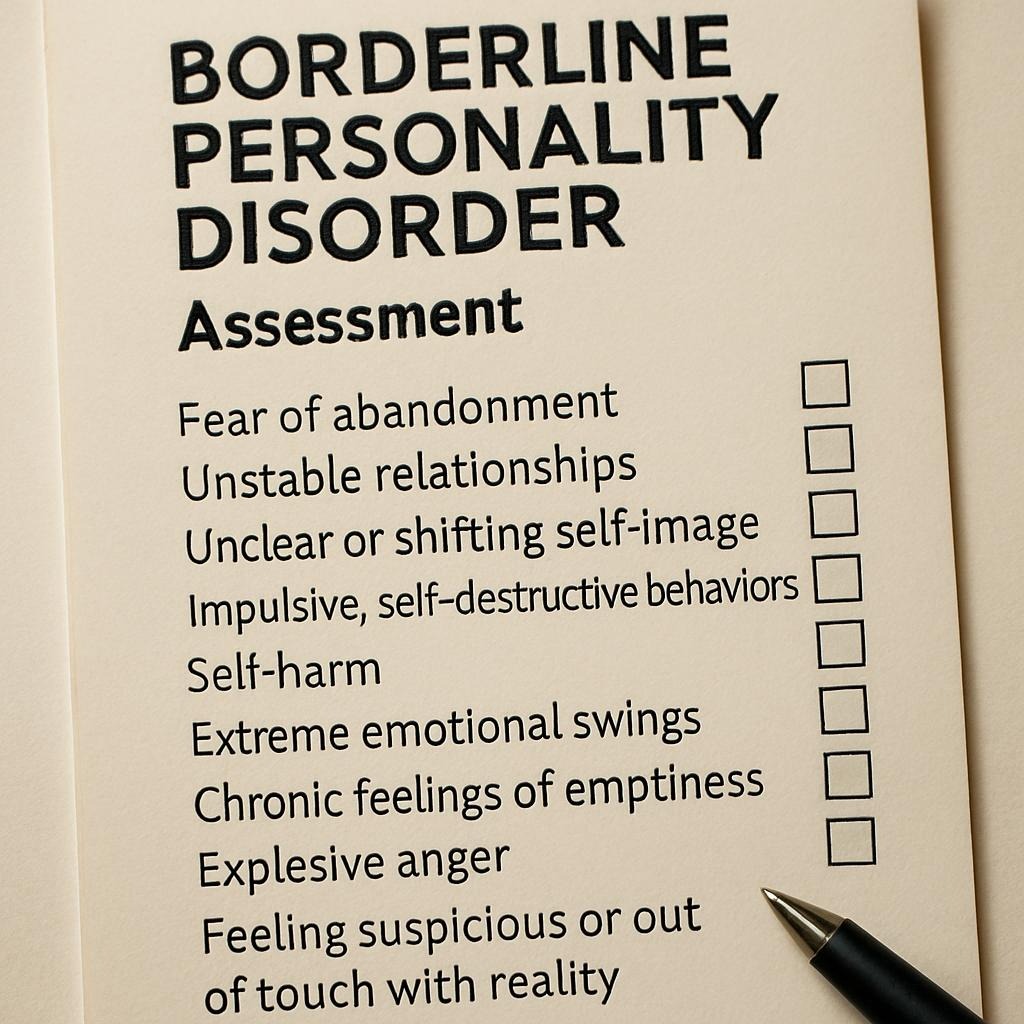
Our trauma-informed evaluation helps clarify the biological, emotional, and relational factors contributing to BPD symptoms.
We assess:
- Mood patterns, impulsivity, and reactivity
- History of trauma, invalidation, or attachment disruptions
- Self-harm, suicidal ideation, or dissociation
- Co-occurring diagnoses such as depression, anxiety, ADHD, or PTSD
- Relationship stressors and interpersonal patterns
- Treatment history and medication responses
This evaluation forms the foundation for your personalized treatment plan.
Learn more about how we approach evaluation: Psychiatry Services
Medication Management & Stabilization

No medication “cures” BPD — but psychiatric medication can reduce emotional volatility, decrease impulsivity, and treat co-occurring symptoms.
Our providers take a conservative, collaborative approach using:
- SSRIs/SNRIs: for mood reactivity, anxiety, or intrusive thoughts
- Mood stabilizers: for emotional volatility, irritability, or impulsive urges
- Atypical antipsychotics: for severe mood dysregulation, agitation, or perceptual shifts
- Adjunctive sleep/anxiety medications: to stabilize the nervous system
Medication is always paired with therapy for best outcomes.
Learn about our medication approach here: Medication Management
Holistic & Long-Term Support
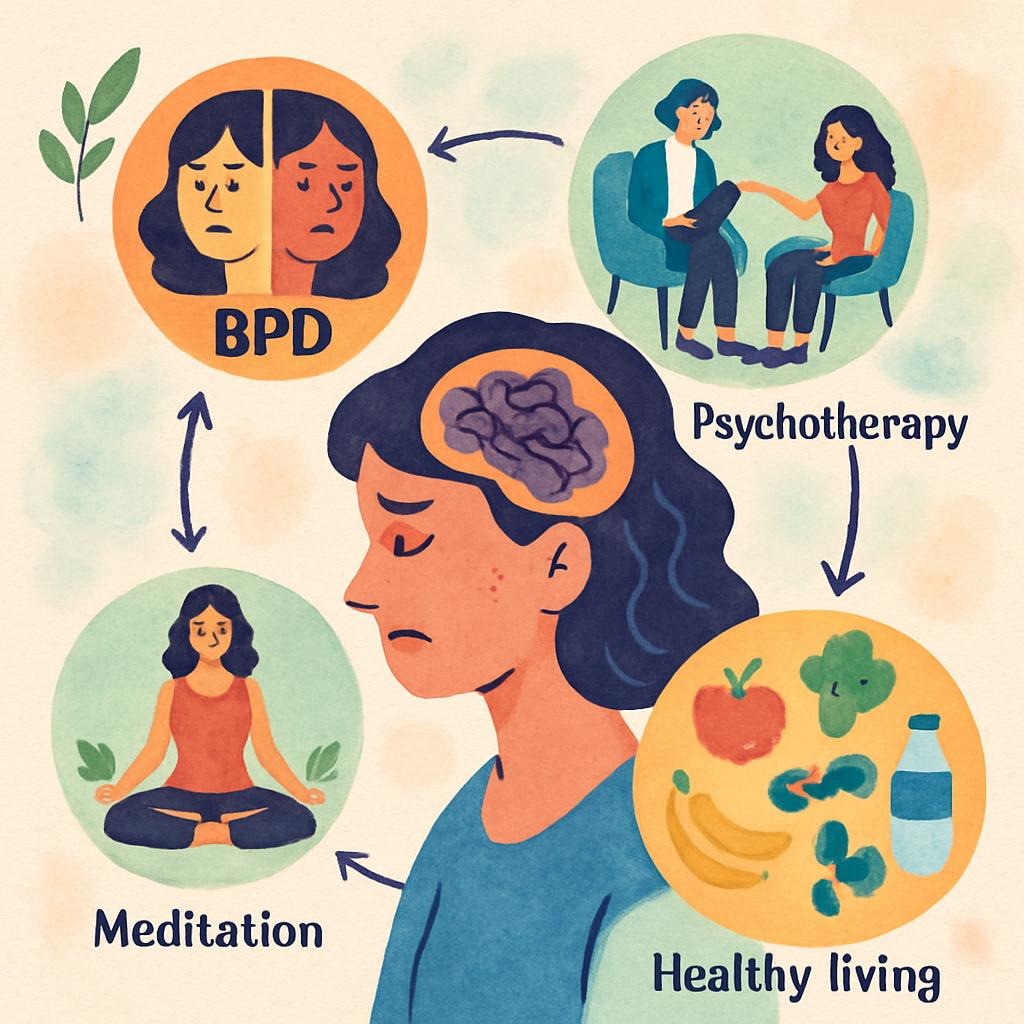
Healing from BPD is a gradual and deeply meaningful process.
We emphasize:
- Ongoing psychiatric monitoring
- Collaborative therapy + psychiatry care
- Sleep, nutrition, and lifestyle interventions
- Crisis planning and safety tools
- Boundary setting and communication coaching
- Skills that promote identity stability and self-trust
Our goal is long-term emotional resilience — not short-term symptom suppression.
Specialized Borderline Personality Disorder Care
Explore our compassionate and professional services tailored to support emotional well-being and stability.
Integration With Evidence-Based Therapy
Psychiatric care is most effective when combined with structured, long-term therapy.
We collaborate closely with therapists trained in:
- Dialectical Behavior Therapy (DBT) — the gold-standard for BPD; teaches mindfulness, emotion regulation, distress tolerance, and relationship skills
- Mentalization-Based Therapy (MBT) — improves understanding of your own and others’ emotions
- Schema Therapy — shifts deeply rooted patterns formed in childhood
- Trauma-Focused Therapy — addresses unresolved wounds driving emotional reactivity
Explore our therapy offerings here: Therapy Services
Telepsychiatry for Flexible Access
We offer statewide telepsychiatry services
so clients can access consistent care from home.
This is especially helpful during periods of overwhelm or transition.

A Message of Hope
BPD is treatable.
With compassionate psychiatric care, structured therapy, and ongoing support, clients often experience:
- Reduced emotional intensity
- Healthier relationships
- Stronger sense of identity
- Fewer crises
- More stability and connection
At Arizona Mental Wellness, we help clients move from crisis toward clarity, learning to feel emotions without being controlled by them.

Understanding BPD Care
Discover our compassionate approach, guiding you through diagnosis, treatment options, and ongoing support tailored for Borderline Personality Disorder.
1
Step One: Diagnostic Clarity
Begin with a thorough assessment to accurately identify BPD symptoms and tailor a personalized care plan for emotional stability.
2
Step Two: Therapeutic Intervention
Engage in specialized therapies like DBT and EMDR, combined with medication management to address emotional challenges effectively.
3
Step Three: Ongoing Support
Maintain progress with continuous care, counseling, and strategies to nurture healthier relationships and emotional well-being.
Begin Your Journey to Healing
Discover compassionate care and connect with resources tailored to support your emotional well-being.
BPD typically develops through a combination of genetic vulnerability, brain-based emotional sensitivity, and early experiences such as trauma, invalidation, or attachment disruptions. These factors affect emotional regulation and relationship patterns.
There is no single medication for BPD, but medications can reduce symptoms such as mood swings, impulsivity, anxiety, and depression. Psychiatric providers often use SSRIs, mood stabilizers, or low-dose antipsychotics depending on the individual’s needs.
Medication can help stabilize symptoms but is not considered a standalone treatment. Evidence-based therapies — especially DBT, trauma-informed therapy, and emotion regulation approaches — are essential for long-term recovery
Dialectical Behavior Therapy (DBT) teaches skills in mindfulness, emotional regulation, distress tolerance, and interpersonal effectiveness. It reduces crisis behaviors and helps clients create stable, healthy relationships.
Diagnosis involves assessing emotional regulation patterns, relationship instability, stress reactivity, self-image, impulsive behaviors, and trauma history. A psychiatric evaluation ensures accurate, respectful diagnosis and individualized treatment planning.
Yes — many people with BPD experience dramatic improvement through consistent therapy, psychiatric support, and skills practice. Long-term stability and fulfilling relationships are achievable.
Yes. Our telepsychiatry services allow clients across Arizona to receive medication management, support, and treatment coordination through a secure, confidential platform.