
Specialized Autism Psychiatric Care
Autism Spectrum Disorder (ASD) is not an illness to be cured — it is a natural variation in how individuals think, communicate, and interact with the world.
At Arizona Mental Wellness, our psychiatric approach is neurodiversity-affirming, focusing on strengths, emotional well-being, and practical supports that reduce distress and improve daily functioning.
We help autistic children, teens, and adults understand their needs, manage co-occurring mental-health concerns, and build meaningful, supported lives.
Explore our full psychiatric services here:

Understanding Autism Spectrum Disorder
Autism is a developmental, neurological difference that affects:
- Communication and social connection
- Sensory processing and regulation
- Flexibility, routines, and transitions
- Emotional and behavioral expression
Every autistic person is unique. Our providers recognize the broad variation across the spectrum—from highly independent autistic adults to children who benefit from structured supports.

When Psychiatric Care Can Be Helpful
Autism itself is not a psychiatric disorder.
However, many autistic individuals experience co-occurring conditions that can greatly benefit from psychiatric support, including:
- Anxiety or obsessive thinking
- Depression or mood swings
- ADHD and executive functioning challenges
- Sleep issues
- Sensory overload and irritability
- Autistic burnout (especially in adults)
Our goal is to reduce distress — not change personality or identity.
Learn about related services:

Evidence-Based Psychiatric Treatment for Autistic Individuals
Psychiatric treatment is highly individualized and may include:
- Medication management for anxiety, obsessive thinking, irritability, mood changes, or attention difficulties
- Collaboration with therapists, including speech therapy, occupational therapy, or CBT adapted for autism
- Sleep and sensory regulation strategies
- Executive functioning and routine-building support
- Psychoeducation for families and individuals
- Ongoing monitoring to ensure medication is safe, effective, and aligned with personal goals
We use medication thoughtfully and conservatively, focusing on improving comfort, functioning, and emotional stability.
Compassionate Care Tailored for Autism Spectrum Needs
Discover specialized support that respects neurodiversity and enhances well-being for individuals with ASD.

Comprehensive Autism Evaluations
A psychiatric evaluation for autism focuses on understanding a person’s neurology, strengths, stresses, and support needs.
This may include:
- Developmental and behavioral history
- Current functioning and daily challenges
- Sensory sensitivities and emotional regulation
- Screening for anxiety, ADHD, depression, OCD, or trauma
- Review of medication history and treatment response
- Input from parents, partners, educators, or therapists (when appropriate)
This holistic evaluation helps us create a personalized care plan that supports mental health, independence, and quality of life.

Collaboration and Continuity of Care
Effective autism-informed psychiatric care requires teamwork.
We collaborate closely with:
- Therapists (CBT, DBT, EMDR, autism-adapted modalities)
- Occupational and speech therapists
- Parents, caregivers, and partners
- Schools and educational teams (with consent)
This ensures support that is consistent, practical, and aligned with the client’s values and goals..

Collaborative Family and Individual Support
We work closely with clients and families to foster communication, independence, and improved quality of life.
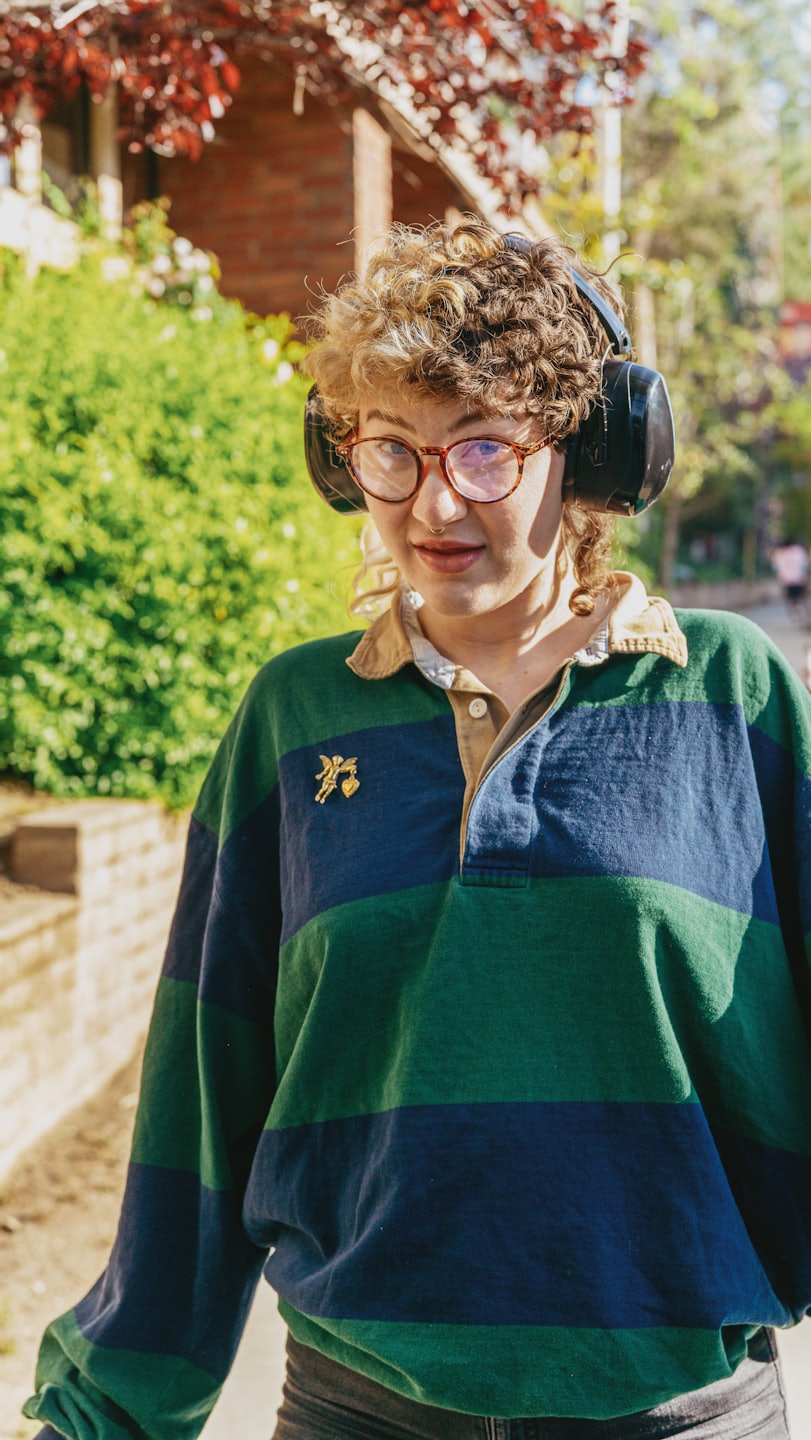
Care for Children, Teens, and Adults
Discover how our neurodiversity-affirming care supports individuals with autism through tailored evaluations, personalized treatment plans, and ongoing collaboration.
Children
Support for anxiety, sensory overload, behavioral dysregulation. Collaboration with occupational therapy, speech therapy, and schools
Teens
Emotional regulation, Identity exploration and self-understanding, Support through transitions and increasing independence
Adults
Help navigating burnout, masking fatigue, workplace stress, or late-diagnosis self-discovery, Clarifying overlapping symptoms of autism, ADHD, and anxiety, Support for sleep, routines, and executive functioning
For adolescent-specific care, visit: 👉 Adolescent Psychiatry. For adult-focused services: 👉 Adult Psychiatry
Patient Stories and Feedback
Discover heartfelt testimonials from individuals and families who have found hope and healing through our autism-focused psychiatric care.
Telepsychiatry for Sensory-Friendly, Accessible Care

Travel, waiting rooms, and unfamiliar environments can be overwhelming. Our secure telepsychiatry services make care more accessible statewide—allowing patients and families to receive support from their most comfortable environment.
Neurodiversity-Affirming Treatment

At Arizona Mental Wellness; We do not aim to eliminate autistic traits. We do not pathologize identity, communication style, or sensory needs. We focus on reducing suffering, supporting strengths, and empowering autonomy.
Autistic people deserve care that honors who they are, celebrates strengths, and compassionately supports challenges.
Psychiatry does not treat autism itself but supports co-occurring conditions such as anxiety, ADHD, depression, irritability, and sleep issues. Medication and behavioral strategies can help reduce distress and improve daily functioning.
Yes. While medication does not change autistic traits, it can effectively target anxiety, obsessive thinking, mood symptoms, sleep issues, or attention challenges that interfere with quality of life.
A psychiatric evaluation includes developmental history, sensory profile, emotional patterns, co-occurring conditions, and functional challenges. It is strengths-based, trauma-informed, and adapted to communication preferences.
Absolutely. Many autistic adults experience anxiety, depression, burnout, or executive functioning challenges. Psychiatry can provide validation, support, medication (when helpful), and tools to improve daily functioning.
Yes. Many autistic individuals prefer telehealth because it reduces sensory overwhelm, travel demands, and social stress. Telepsychiatry provides the same quality of care with greater comfort and accessibility.
Discover Personalized Support
Connect with our community to unlock tailored autism care and resources.