
Building Confidence, Self-Worth, and Inner Strength Through Daily Wellness Practices
Self-esteem is the foundation of emotional well-being. It influences how you speak to yourself, how you set boundaries, and how you move through relationships, work, and daily life.
Healthy self-esteem is not about perfection or constant confidence — it’s about feeling grounded, capable, and worthy of care and respect, even during difficult moments.
At Arizona Mental Wellness, we support self-esteem through compassionate, realistic wellness practices that strengthen confidence, emotional balance, and identity over time. These tools can stand alone or work alongside therapy or psychiatry when deeper support is needed.
You deserve to feel worthy and secure — right now, not “once you’re better.”

Build Confidence and Emotional Strength
Discover how Arizona Mental Wellness nurtures self-esteem, resilience, and mindfulness for lasting personal growth.

What Healthy Self-Esteem Looks Like
Healthy self-esteem often includes:
- Believing in your abilities
- Accepting imperfections without shame
- Speaking to yourself with kindness
- Setting and honoring boundaries
- Feeling confident making decisions
- Valuing your needs and limits
- Allowing rest without guilt
- Recognizing effort and progress
- Feeling grounded in your identity
Self-esteem is not something you’re born with — it’s something you build through daily habits and experiences.

Common Challenges to Self-Esteem
Self-esteem can be impacted by many life experiences, including:
- Chronic stress or burnout
- Relationship conflict or loss
- Life transitions
- Perfectionism or high self-expectations
- Social comparison or pressure
- Cultural or identity-based invalidation
- Anxiety or depression
- ADHD or autism masking
- Rejection sensitivity (RSD)
- Past criticism, bullying, or trauma
Low self-esteem is not a personal flaw — it’s often a learned response to experiences that required survival, not self-nurturing.

Self-Esteem Wellness for Neurodivergent Individuals
ADHD, autism, and OCD can deeply affect self-esteem due to:
- Masking or camouflaging
- Executive functioning challenges
- Sensory overload
- Rejection sensitivity
- Feeling misunderstood or “too much”
Our approach emphasizes:
- Authentic self-acceptance
- Strength-based identity development
- Shame-reduction
- Routines that match your neurotype
You don’t need to change who you are — only how you relate to yourself.
Our Approach
Discover how Arizona Mental Wellness guides you through building self-esteem, confidence, and emotional strength with supportive, practical steps.
1
Step One: Embracing Self-Compassion
Begin by cultivating kindness toward yourself, laying the groundwork for lasting confidence and emotional resilience.
2
Step Two: Mindfulness Practice
Engage in daily mindfulness exercises that foster awareness and empower you to manage thoughts and feelings effectively.
3
Step Three: Professional Support
Work with our compassionate therapists to deepen your growth and achieve sustainable self-esteem and wellness.
Wellness Practices That Support Self-Esteem
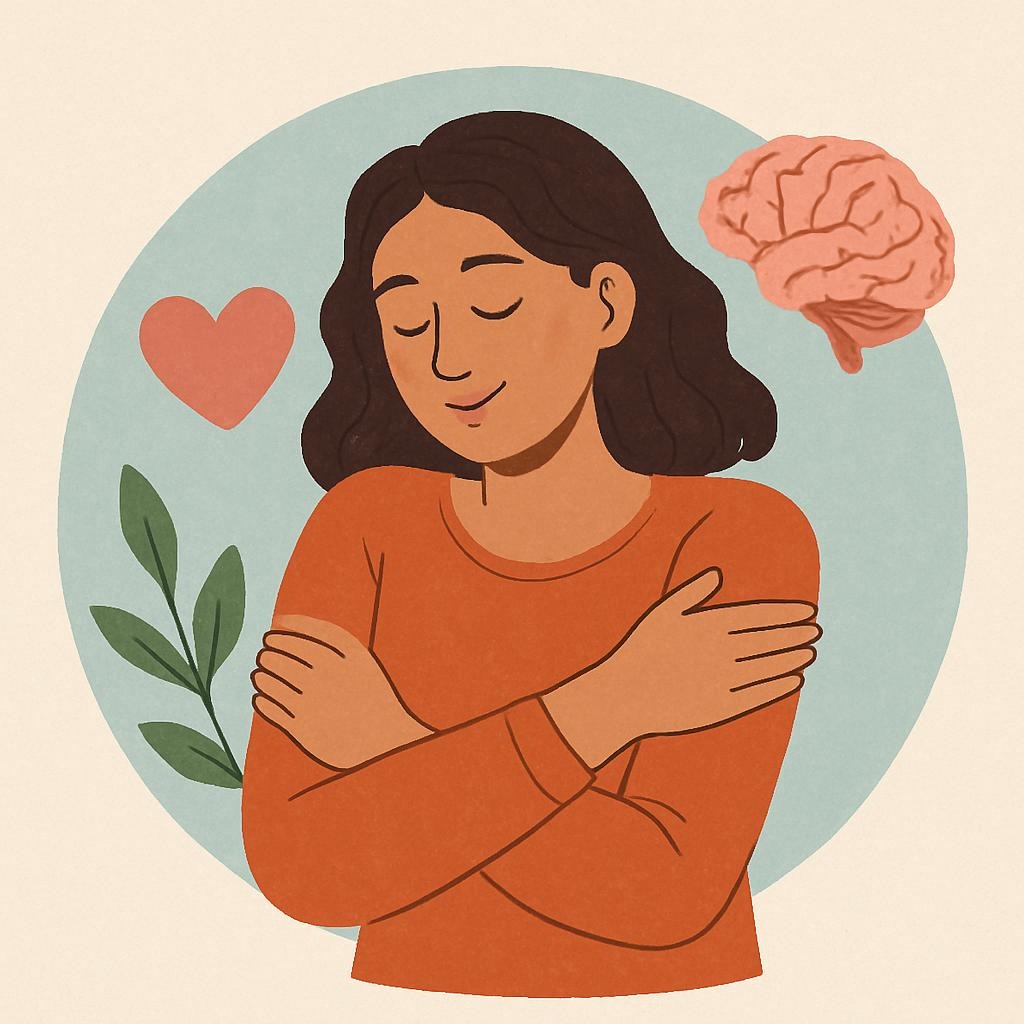
Daily Self-Compassion
Self-compassion builds emotional safety and reduces shame. This may include:
- Acknowledging small wins
- Practicing gentle self-talk
- Releasing perfectionism
- Allowing mistakes without self-punishment
Self-kindness strengthens confidence far more than self-criticism.
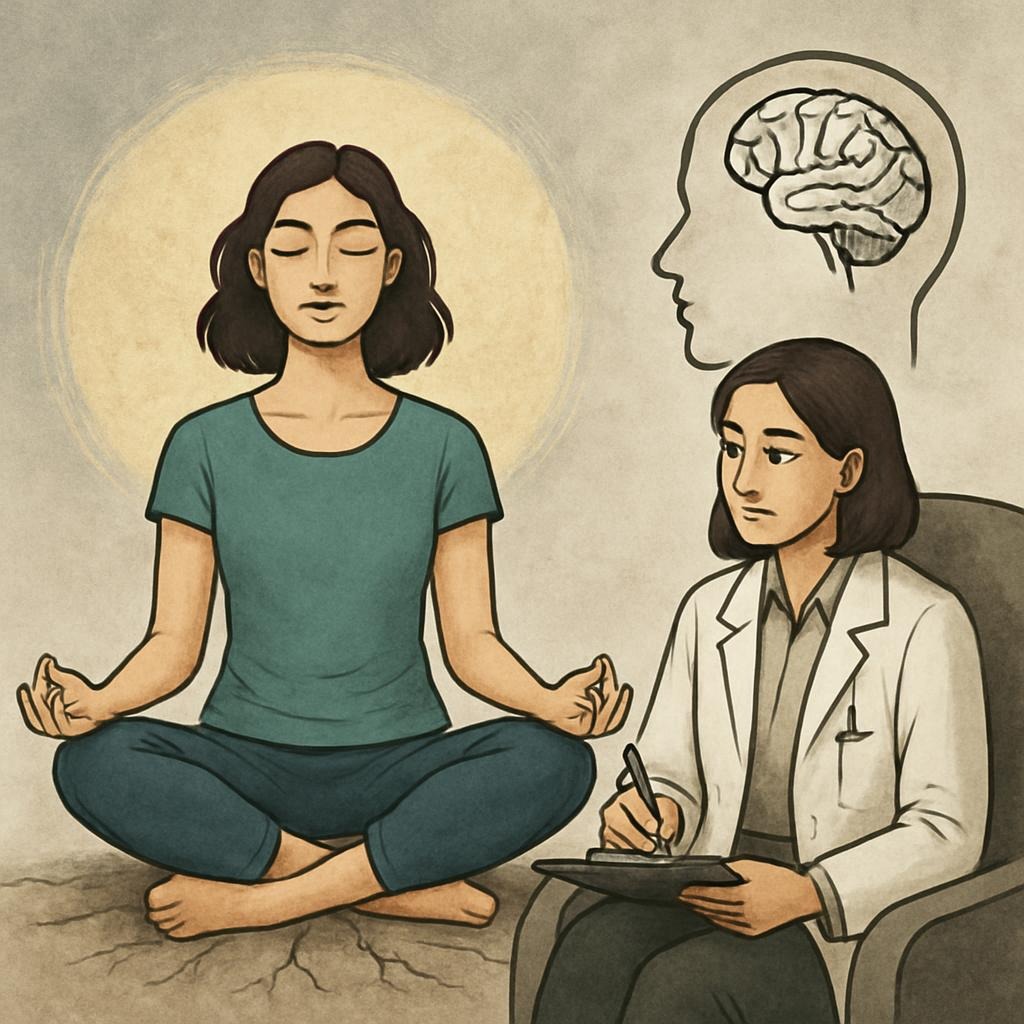
Mindfulness & Grounding
Mindfulness helps reduce self-judgment and overthinking by allowing you to observe thoughts without becoming defined by them.

Values-Based Living
Clarifying what matters to you — such as honesty, creativity, growth, or connection — helps guide decisions with confidence and integrity.
Self-esteem grows when your actions align with your values.s.

Supportive Routines That Build Trust
Daily routines help rebuild trust in yourself and your body:
- Consistent sleep
- Nourishing meals
- Gentle movement
- Time outdoors
- Breaks for rest
- Planning tools that fit your neurotype
Structure creates stability — stability supports confidence.
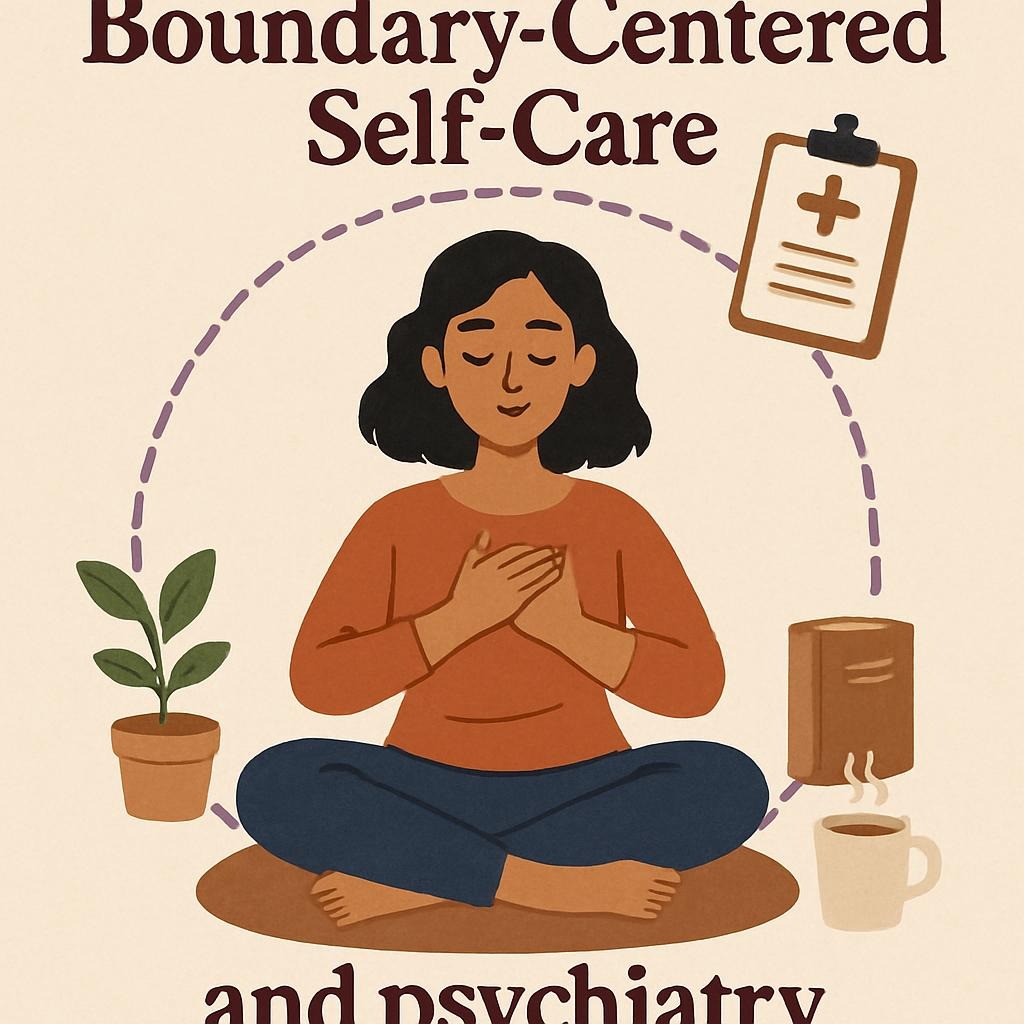
Boundary-Centered Self-Care
Boundaries reinforce self-worth by communicating:
- “My needs matter.”
- This may include:
- Allowing space for rest and recovery
- Saying no without guilt
- Limiting exposure to criticism
- Protecting emotional energy

Strength-Based Wellness
Focusing on strengths helps rewire negative self-beliefs.
Try regularly identifying:
- Three strengths
- Three moments of effort
- Three ways you’ve grown
Confidence builds when strengths are acknowledged consistently.

Supportive Relationships
Self-esteem grows in environments where you feel seen and respected.
This includes:
- Spending time with affirming people
- Reducing draining or invalidating interactions
- Seeking community where you feel understood
Connection reinforces worth.

Journaling & Reflection
Reflection builds insight and self-understanding by helping you notice:
- Strengths and growth
- Emotional patterns
- Needs and limits
- Shifts in self-perception
Awareness is often the first step toward change.

When to Seek Additional Support
Wellness practices are powerful, but additional support may help when:
- Self-criticism feels overwhelming
- Shame interferes with daily life
- Identity feels unclear or fragile
- Relationships trigger low self-worth
- Anxiety or depression affect confidence
- Trauma impacts self-perception
Therapy and psychiatry can work alongside wellness practices to support deeper healing.
A: Self-esteem refers to how you view your worth, abilities, and value as a person. Healthy self-esteem supports emotional stability, confidence, and resilience.
A: Yes. Many people improve self-esteem through wellness practices such as mindfulness, self-compassion, boundary setting, and supportive routines. Therapy can provide additional structure when needed.
A: Low self-esteem can increase anxiety, depression, and relationship stress, while healthy self-esteem supports emotional regulation, decision-making, and overall wellbeing.
A: Neurodivergent individuals may experience chronic invalidation, masking, or misunderstanding, which can impact self-worth. Strength-based, affirming approaches help rebuild confidence.
A: Self-esteem develops gradually through consistent habits and self-awareness. Progress looks different for everyone, and meaningful change often happens over time rather than all at once.